Introduction
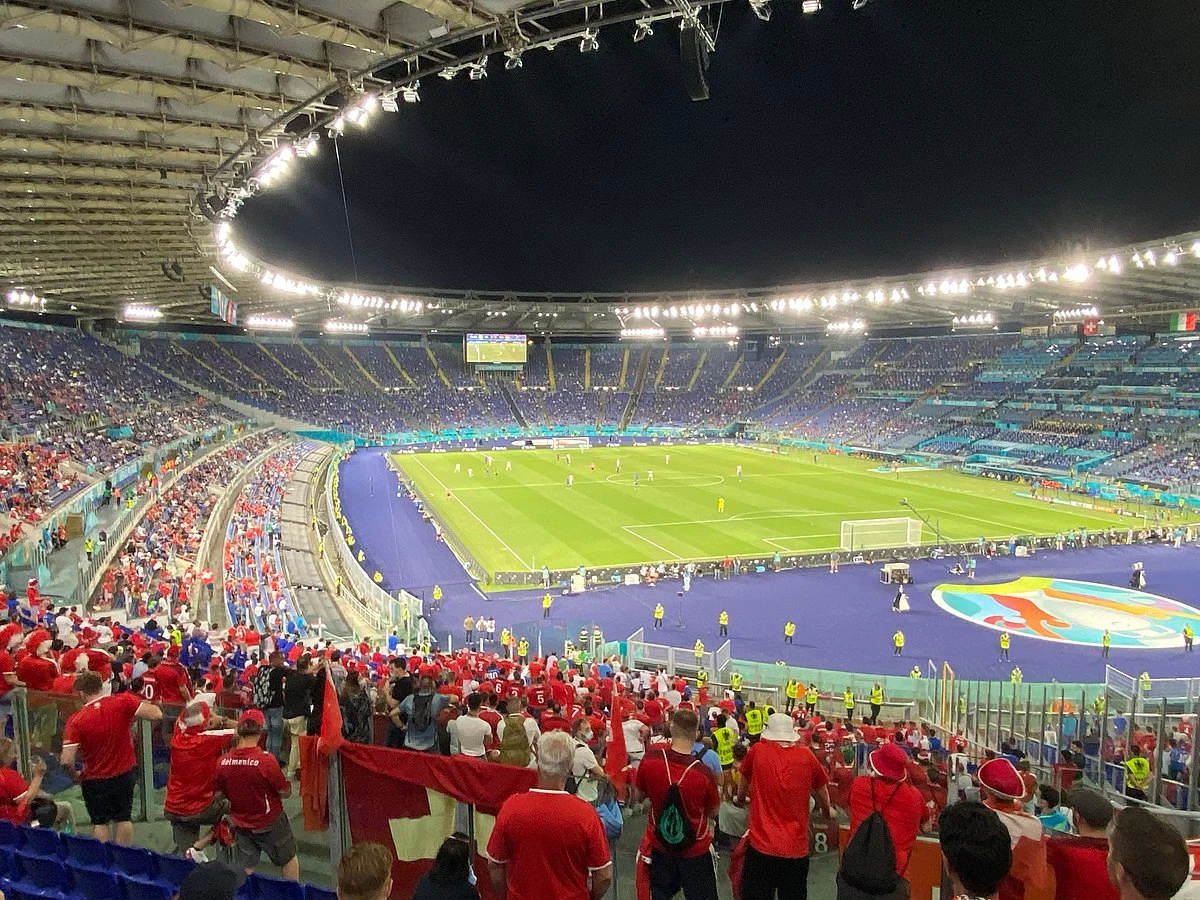
Stadio Olimpico, located in Rome, Italy, is a significant venue in the world of sports, renowned for its rich history and remarkable architecture. As the home ground for both the football clubs AS Roma and SS Lazio, it plays a pivotal role in the sporting culture of the city. The stadium is also a frequent host of international athletics events and concerts, making it a focal point for entertainment in the capital.
A Deep Dive into History
Constructed in 1932, Stadio Olimpico was initially inaugurated for the 1960 Summer Olympics. Since then, it has undergone various renovations to enhance its facilities and expand its seating capacity. With a seating arrangement that accommodates approximately 70,000 spectators, it stands as one of the largest stadiums in Europe. The Olympic Stadium not only hosted the Olympics but also significant football events, including the UEFA Champions League final and the 1990 FIFA World Cup matches.
Recent Events and Developments
In recent news, Stadio Olimpico has continued to attract attention as it prepares to host several high-profile events. In 2022, the stadium witnessed a thrilling UEFA Europa League final, showcasing the competitive spirit of European football. Looking ahead, Stadio Olimpico is set to host a range of events in 2024, further solidifying its status as a key sports hub. Additionally, ongoing discussions around stadium enhancements aim to improve the infrastructure and overall spectator experience for future events.
Significance for Local Fans and Visitors
For local fans, Stadio Olimpico is more than just a sports venue; it is a place of community and pride. Match days bring a vibrant atmosphere to the surrounding area, with fans of AS Roma and SS Lazio creating a unique blend of passion and rivalry. Visitors from around the globe flock to the stadium not just to watch football or athletics, but to experience the cultural heritage and history it embodies. Guided tours of the stadium offer insights into its architectural beauty and the significant events that have taken place within its walls, making it a must-see landmark for tourists.
Conclusion
Stadio Olimpico remains an iconic feature of Rome’s sporting landscape, embodying the city’s rich history in athletics and football. With various upcoming events and continuous developments, the stadium is poised to retain its significance for both local residents and international visitors. As the world of sports evolves, Stadio Olimpico will undoubtedly continue to be at the forefront of exciting athletic competitions, further enhancing its legacy as a premier sporting venue.