Introduction
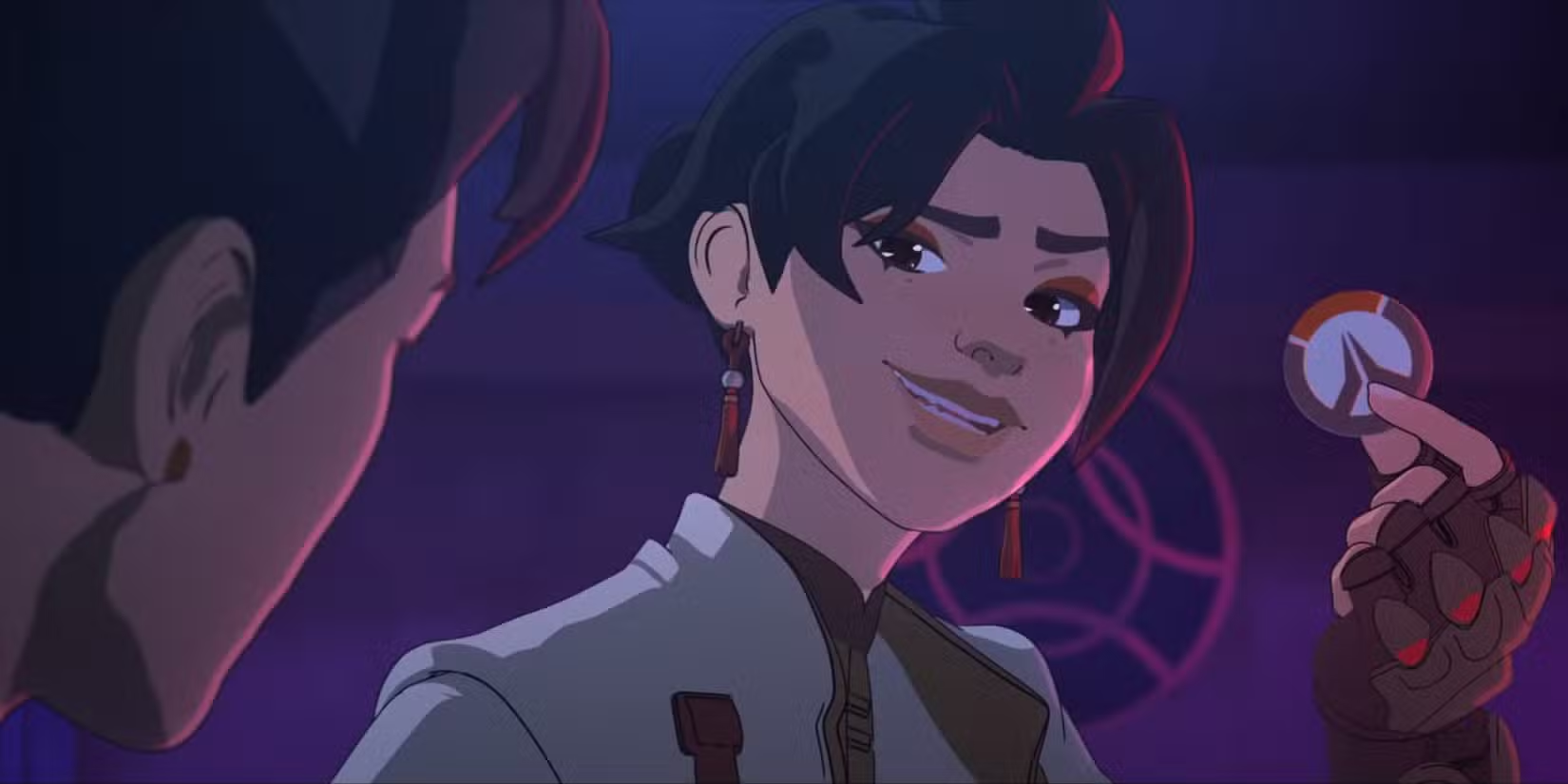
The online gaming world is often rife with discussions surrounding character representation and accountability, particularly in popular franchises like Overwatch. Recently, the controversy surrounding the character Anran’s face has sparked debates about inclusivity, design choices, and player reception. This topic is not only crucial for the player community but also for developers aiming to create a more inclusive gaming experience.
The Anran Face Controversy
In September 2023, the release of the new Overwatch character Anran drew significant attention. Upon unveiling, players promptly pointed out various discrepancies in character design, specifically focus on Anran’s face model. Critics argued that the artistic representation failed to maintain the diversity that Blizzard, the game’s developer, had previously championed, which would lead to accusations of perpetuating narrow beauty standards.
The Community Reaction
The reaction from the Overwatch player community was overwhelmingly mixed. Many expressed disappointment, believing the face lacked depth and authenticity that characters like Lucio and D.Va embodied. Social media platforms exploded with discussions, memes, and analyses from gamers and content creators alike, which brought forward a broader conversation regarding character design and cultural representation in the gaming industry.
Blizzard’s Response
Faced with mounting criticism, Blizzard issued a statement acknowledging the feedback and stressing their commitment to diversity and representation in Overwatch. However, some critics felt that the response did not address specific concerns regarding Anran’s character design and the implications it has for minority representation in the game.
Significance for the Gaming Community
This incident serves as an example of how the gaming industry navigates complex issues of representation and inclusion. As players become more aware and vocal about diversity, developers are finding the necessity to listen and adapt to keep their audience engaged and satisfied. The Anran face situation reflects not just a momentary controversy but also showcases a shift in the gaming landscape as players demand more accountability and authentic representation in character designs.
Conclusion
As the Overwatch community moves forward, the ongoing discussions surrounding the Anran face controversy will likely influence future character designs and game narratives. It underscores the need for developers to reflect societal values and the importance of player agency in shaping gaming experiences. If Blizzard and similar companies heed this feedback, they might see an enhancement in player loyalty and satisfaction, ultimately benefiting the industry as a whole.