Introduction
San Siro Stadium, officially known as Stadio Giuseppe Meazza, is one of the most iconic football stadiums in the world, located in Milan, Italy. Opened in 1926, it has become a historic landmark not only for its architectural magnificence but also for being home to two of Italy’s biggest football clubs, AC Milan and Inter Milan. With the rise of discussions regarding renovation plans and its future, understanding San Siro’s significance has become more crucial than ever.
Historic Significance
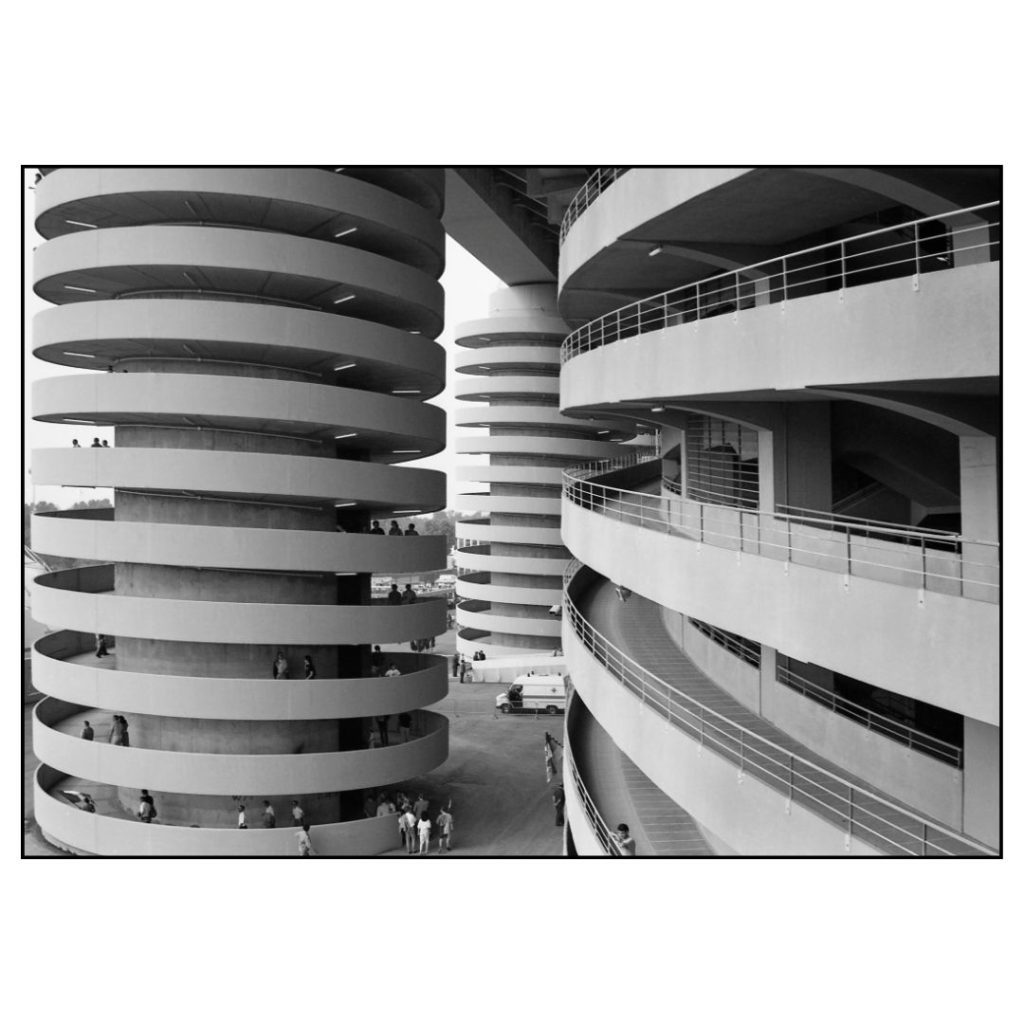
San Siro was built to accommodate the growing popularity of football in Italy. Initially constructed for AC Milan, its expansion over the years has allowed it to host international matches, including the FIFA World Cup and UEFA Champions League finals. The stadium’s unique design, with a capacity of over 75,000 seats, makes it the largest in Italy and the third-highest in Europe. Its art-deco style, combined with modern enhancements, reflects the evolution of sports architecture.
Recent Developments
In recent months, discussions have intensified regarding the future of San Siro. Both AC Milan and Inter Milan have previously announced plans to build a new stadium, proposing to replace San Siro with a modern facility. However, due to public outcry and the preservation of cultural heritage, the renovation and potential redesign of the existing stadium has become a focal point. As of October 2023, a public consultation process has been initiated to evaluate various plans that could retain the stadium’s legacy while accommodating contemporary needs.
Community Involvement
The local community has been actively involved in discussions about the future of San Siro. Many residents and fans believe that the stadium should not only remain a football venue but also serve as a cultural hub for Milan. Events such as concerts, exhibitions, and sports activities are being suggested to maximise its utility beyond football.
Conclusion
The future of San Siro Stadium is a critical conversation for both football fans and city planners in Milan. Its rich history, combined with modern demands for facilities, presents both challenges and opportunities. Should the renovations proceed effectively, San Siro could continue to stand as a testament to Milan’s sporting culture for generations to come, maintaining its place not just as a stadium but as a vibrant part of the city’s identity.