Introduction to Solar Flares
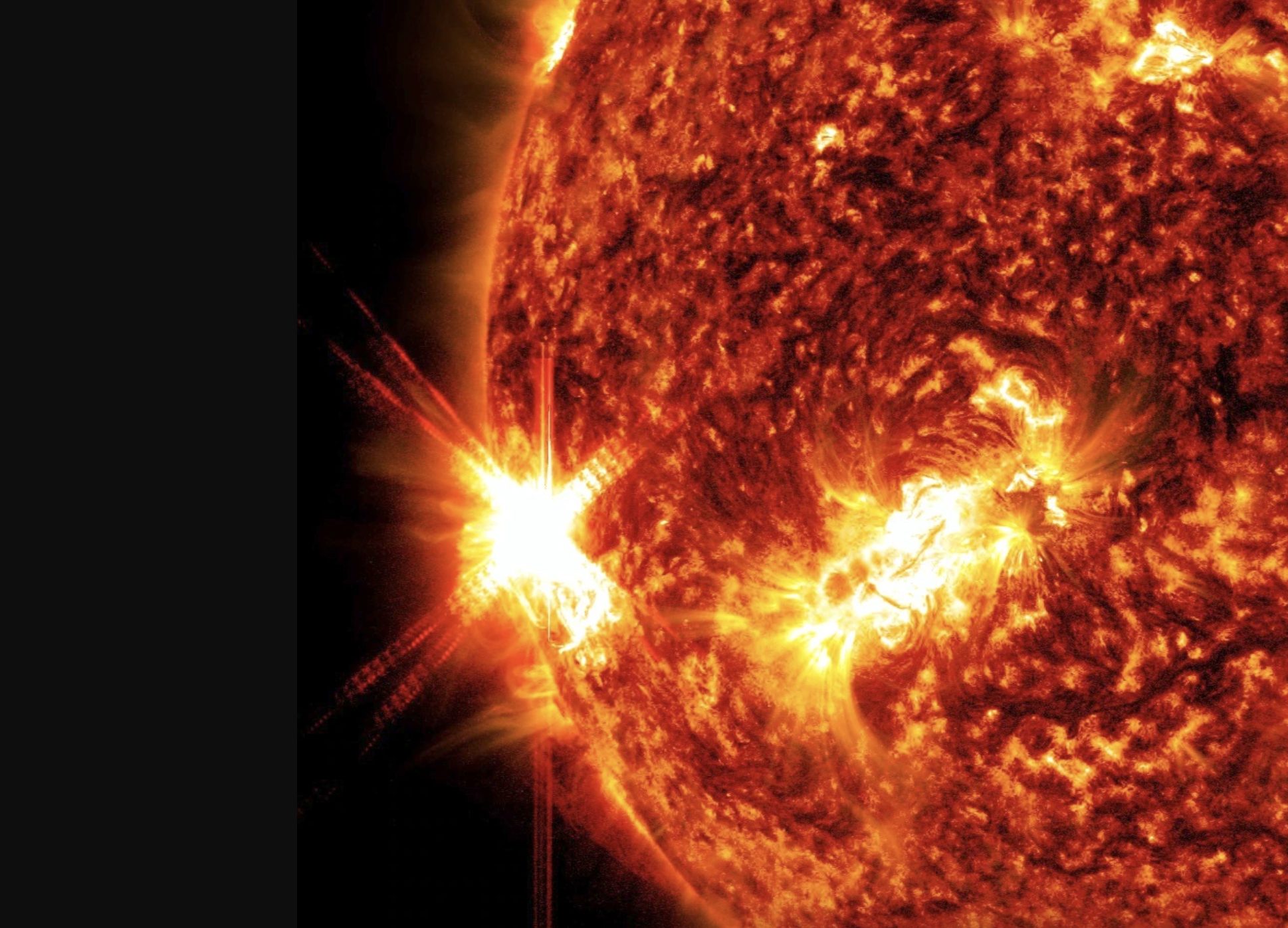
Solar flares are massive bursts of radiation arising from the release of magnetic energy associated with sunspots. These highly energetic phenomena are vital for understanding not only the sun’s behaviour but also their impact on Earth and our technology. With increased solar activity predicted in the coming years, it’s essential to delve deeper into the implications of solar flares.
Recent Solar Activity
In late August 2023, several significant solar flares were observed, including an intense Class X flare emitted from AR3076. NASA reported that this particular event temporarily disrupted radio communications on Earth and illuminated the night skies with vivid auroras near the poles. These events can disrupt satellite operations and power grids, affecting millions.
The increase in solar flare activity has been linked to the current solar cycle, Solar Cycle 25, which started in December 2019 and is expected to peak around 2025. Scientists from NOAA (National Oceanic and Atmospheric Administration) predict that as the sun reaches its maximum activity, solar flares and coronal mass ejections (CMEs) will become more frequent.
Effects on Technology and Society
The ramifications of solar flares extend beyond beautiful auroras. They can have serious consequences for modern technology. Radio signals can be disrupted, GPS accuracy can be compromised, and power grids can be overloaded, leading to potential blackouts. Events like the 1989 Quebec blackout serve as reminders of the vulnerabilities in our infrastructure to solar activity.
To mitigate risks, agencies like NASA and NOAA closely monitor solar weather. The data collected enables forecasters to issue warnings ahead of time, allowing for preventive measures to protect satellites and power systems.
Conclusion: Importance of Solar Awareness
As solar flare activity is expected to increase significantly in the coming years, awareness and preparedness become critical for both individuals and industries relying on technology influenced by solar phenomena. Researchers continue to study and improve forecasting models, and public awareness drives the importance of understanding solar weather’s impact on our daily lives. Keeping informed about solar flares can help safeguard our technology and ensure that we are better prepared for potential disruptions in the future.