Introduction
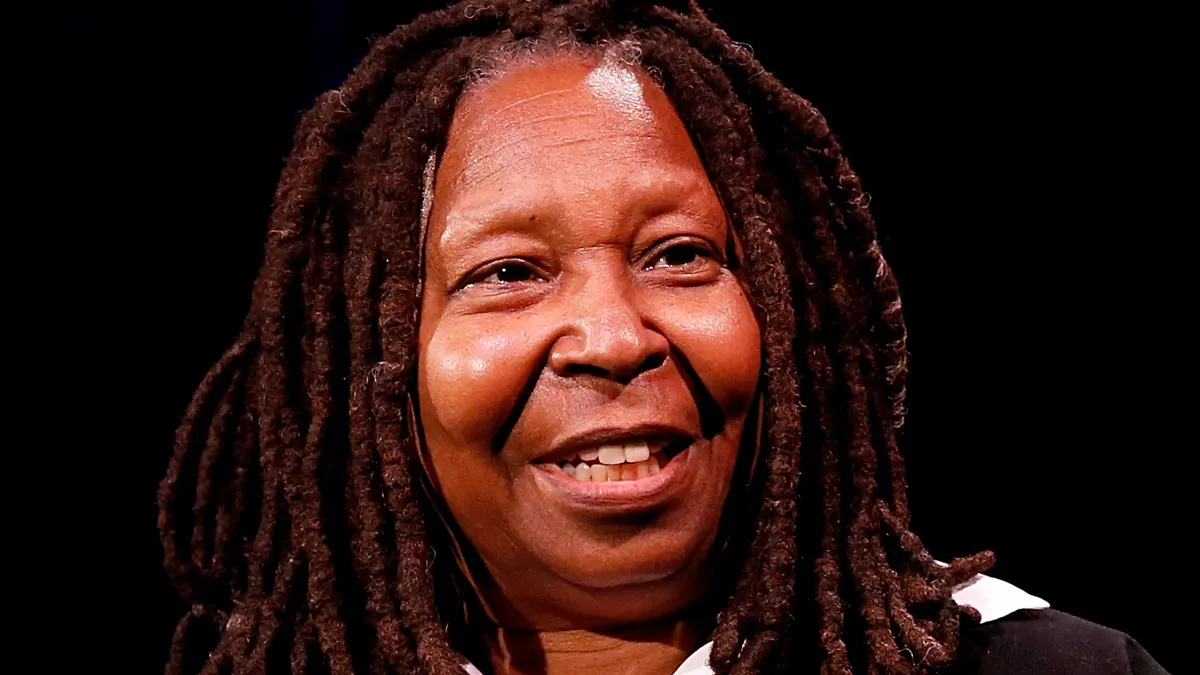
Whoopi Goldberg is not just a name in the entertainment industry; she represents a significant influence across multiple platforms including film, television, and stage. As an award-winning actress, comedian, and talk show host, Goldberg’s contributions have shaped narratives around race, gender, and culture in America. Her journey from humble beginnings to becoming a global icon makes her story a powerful narrative relevant not only to fans but to anyone interested in the evolution of public figures in society.
Major Achievements
Born Caryn Elaine Johnson in 1955, Whoopi Goldberg rose to prominence in the early 1980s with her stand-up comedy and her role in the film “The Colour Purple” (1985), which earned her an Academy Award nomination. She became the first African American woman to win an Academy Award for Best Supporting Actress for her role in “Ghost” (1990). Over the years, she has also won multiple awards, including an Emmy, a Grammy, and a Tony, making her one of the few individuals to achieve EGOT status (Emmy, Grammy, Oscar, Tony).
Current Relevance
In recent years, Goldberg has been a co-host on the popular talk show “The View,” where she uses her platform to address various social issues, including racial inequality and women’s rights. Despite the challenges she has faced, including backlash for some of her controversial statements, Goldberg continues to push boundaries and foster discussion. Her ability to speak candidly while maintaining a sense of humour highlights her unique position in the industry.
Conclusion
The significance of Whoopi Goldberg extends beyond her accolades; her influence on culture and society is profound. As she continues to engage with contemporary issues on platforms like Twitter and on “The View,” she remains a vital voice in conversations about diversity and representation in entertainment. Looking ahead, Goldberg’s legacy is likely to inspire future generations of artists and activists dedicated to challenging norms and advocating for social change.