Introduction
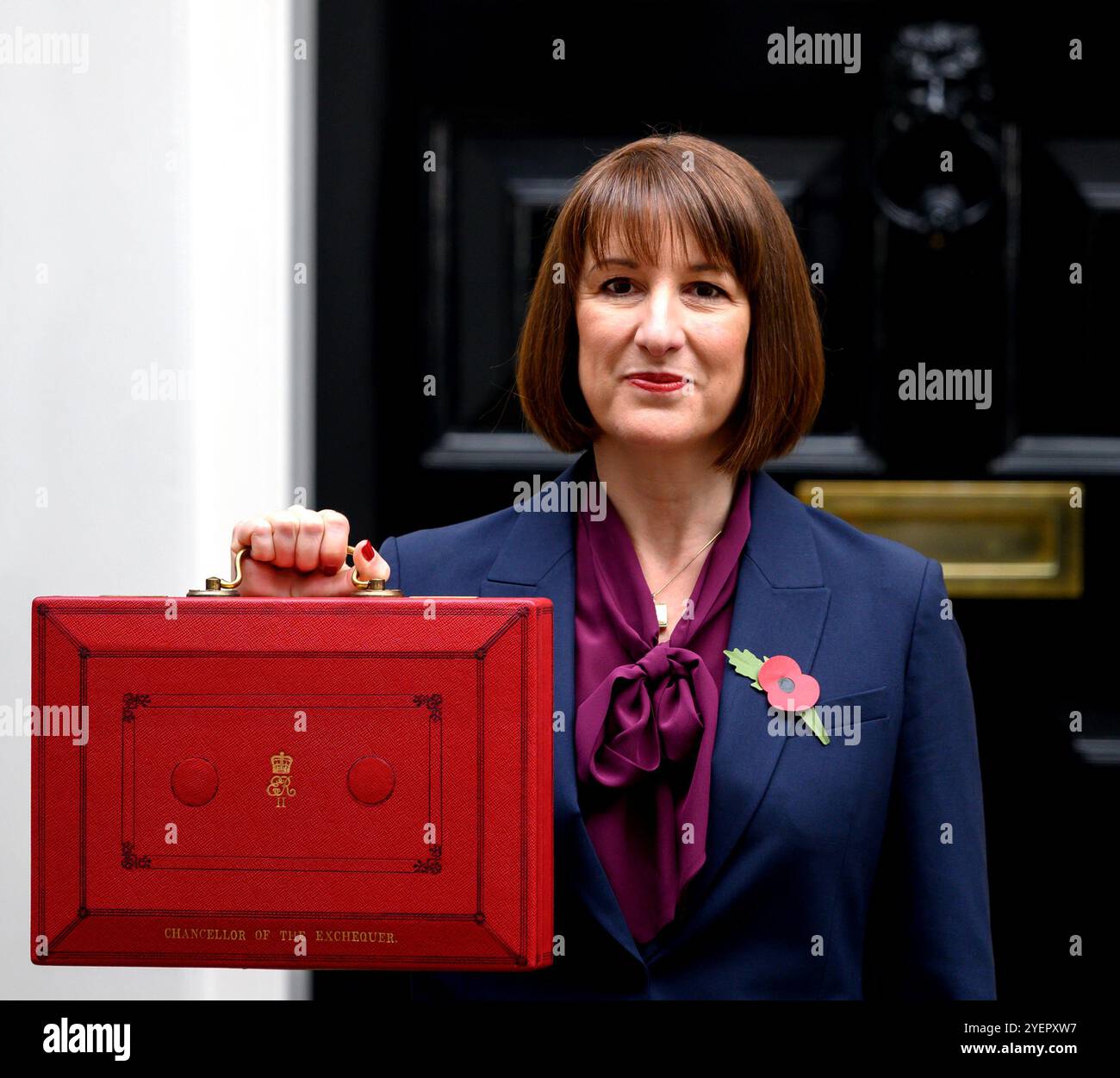
Rachel Reeves has emerged as a prominent figure in British politics, serving as the Shadow Chancellor of the Exchequer since April 2020. Her role has become particularly significant in the wake of ongoing economic challenges exacerbated by the COVID-19 pandemic and subsequent issues, such as inflation and the cost of living crisis. As a key member of the Labour Party, Reeves is responsible for shaping economic policy and influencing public discourse on fiscal matters, making her a figure of great relevance in today’s political landscape.
Background and Political Career
Born on February 18, 1979, in Leeds, Rachel Reeves studied economics at the University of Oxford before embarking on a career in politics. She was first elected as the Member of Parliament for Leeds West in 2010 and quickly established a reputation for her expertise in economics and fiscal policy. Prior to her appointment as Shadow Chancellor, Reeves held various positions, including Shadow Secretary of State for Work and Pensions, where she advocated for social security reform and supported those affected by welfare cuts.
Key Policies and Influence
As Shadow Chancellor, Rachel Reeves has been at the forefront of Labour’s economic strategy, advocating for investment in public services and infrastructure while promoting a fairer tax system aimed at addressing inequality. In her speeches, she frequently highlights the importance of economic growth alongside social justice, positioning Labour as a party that can tackle the country’s financial challenges while fostering inclusivity.
One of her significant proposals involves creating green job opportunities as part of a broader plan to combat climate change. She argues that investing in renewable energy and sustainable industries will not only help the environment but also stimulate economic recovery post-pandemic. Reeves has also been vocal about the need to support small and medium-sized enterprises (SMEs), recognising their critical role in the economy.
Recent Developments
In recent months, Rachel Reeves has faced the daunting task of responding to rising inflation rates and their impact on households across the UK. Her proposals have sparked debate, particularly her calls for a windfall tax on the profits of oil and gas companies, which she argues could provide essential funds to support those struggling with escalating living costs.
Conclusion
As Rachel Reeves continues to navigate the complexities of the UK’s economic landscape, her role as Shadow Chancellor is likely to grow in importance. Her policies and ideas are central to Labour’s strategy in the run-up to the next general election, and her ability to connect with voters on economic issues may significantly influence the party’s success. The decisions she advocates for today will shape not only Labour’s fiscal agenda but also the broader debate on how the UK can recover from recent economic turmoil and thrive in the future.