Introduction
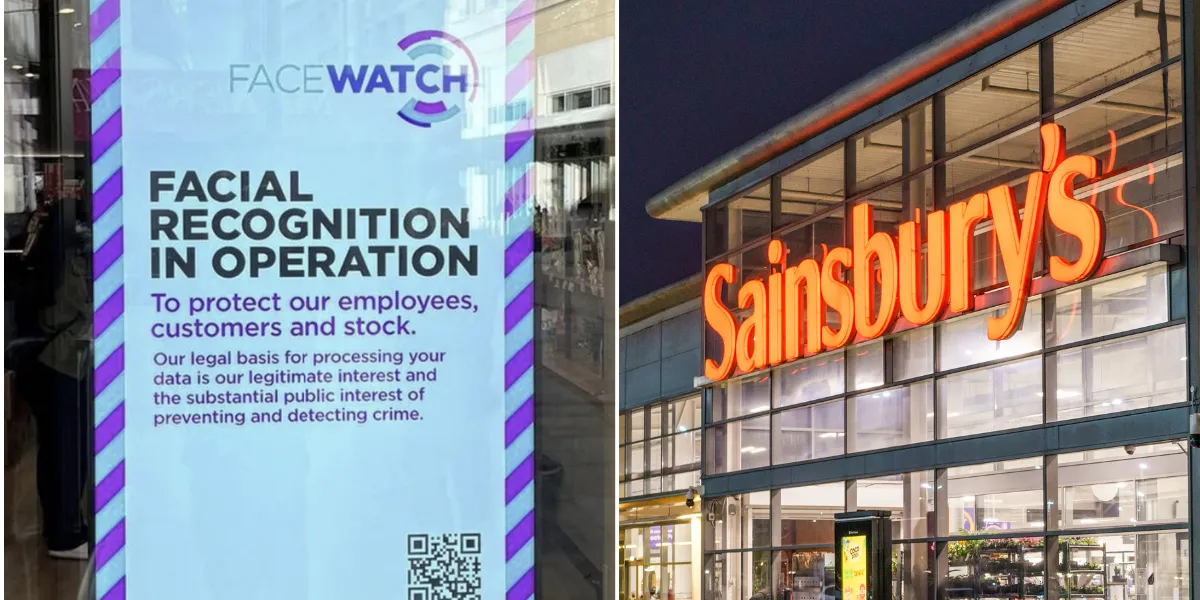
In a rapidly evolving technological landscape, the application of facial recognition systems has sparked significant debate regarding privacy and ethics. The recent incident involving Sainsbury’s, one of the UK’s largest supermarket chains, highlights the potential errors and ramifications associated with this technology. As retailers increasingly rely on advanced technology for security and customer service, this incident raises critical questions about the reliability and ethical use of facial recognition.
Details of the Incident
In early October 2023, it was reported that Sainsbury’s experienced a serious error in its facial recognition system, which mistakenly identified customers, leading to wrongful detentions and accusations of theft. This raised immediate concerns among customers about their privacy and the efficacy of such surveillance technologies. The incident reportedly took place in multiple stores across the country, escalating public criticism and sparking debate about the ethical implications of using such technologies in everyday environments.
According to sources within the company, the facial recognition software was implemented as part of a security initiative to reduce shoplifting; however, the erroneous identifications resulted in heightened tensions between store staff and customers. Some affected individuals claimed they were unjustly accused of theft, causing distress and embarrassment.
Reactions and Implications
The reaction from consumers and privacy advocates has been overwhelmingly negative. Campaigners for civil liberties expressed concerns that facial recognition could lead to increased surveillance and a loss of anonymity in public spaces. Consumers have taken to social media to voice their frustrations, calling for greater transparency in how their biometric data is being used.
In response to the backlash, Sainsbury’s issued a public apology and stated they are reviewing their use of the technology. They pledged to work with privacy experts to ensure that their systems work efficiently and ethically, aiming to regain the trust of their customer base.
Conclusion
The Sainsbury’s facial recognition error serves as a crucial reminder for both corporations and consumers about the balance between technology and privacy. The incident has reignited calls for stricter regulations on surveillance technologies and heightened scrutiny of their applications in retail settings. Moving forward, companies leveraging facial recognition should prioritise accuracy and ethical considerations to rebuild consumer trust and ensure that technology serves as a tool for safety rather than a means of unjust surveillance.