Introduction
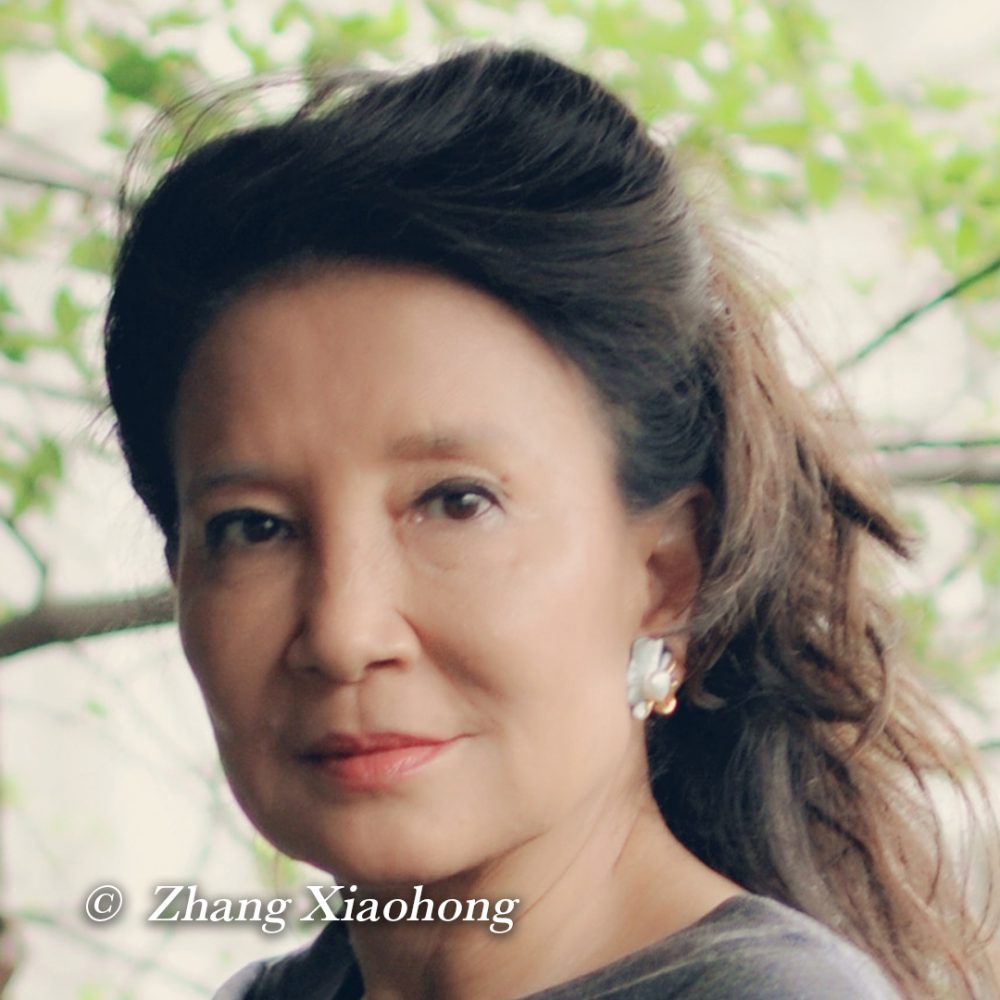
Jung Chang is a significant figure in contemporary literature and history, best known for her seminal works that explore China’s past and its cultural dynamics. With a unique perspective shaped by her personal experiences and academic rigor, her writings have had profound implications on the understanding of Chinese history, particularly during the 20th century. Her narratives resonate across cultures and continue to inspire readers and scholars alike.
A Brief Background
Born in 1952 in Yibin, Sichuan, Jung Chang was raised during a tumultuous period in China’s history. She came of age amidst the Great Leap Forward and the Cultural Revolution, events that would later shape her literary focus. In 1978, she moved to the UK to study at the University of York, where she began to cultivate her passion for writing. Her first major work, “Wild Swans: Three Daughters of China,” published in 1991, received international acclaim and became a bestseller. The book interweaves the narratives of three generations of women in her family, capturing the societal shifts in China over the decades.
Impactful Works
Chang’s subsequent writings, including “Mao: The Unknown Story” co-authored with Jon Halliday, delve deeper into the complexities of Chinese history. This controversial biography of Mao Zedong critically examines his life and the repercussions of his policies. The book has sparked debate among historians and political theorists, reinforcing Chang’s position as a key voice in historical discourse. Her ability to combine personal memoir with rigorous historical analysis gives her works a distinct quality that appeals to a wide audience.
Recent Developments
Recently, Jung Chang has been actively involved in discussing contemporary issues related to China, including human rights and the implications of the Communist regime. Her public talks and interviews highlight the importance of understanding history to navigate present challenges. In a recent lecture, Chang emphasized the need for transparency and accountability in governance, drawing parallels between historical events and current political climates.
Conclusion
Jung Chang’s contributions to literature and historiography extend beyond mere storytelling; they offer critical insights into the consequences of political ideology and personal resilience. As she continues to engage with contemporary issues, her works remain vital for readers seeking to grasp the complexities of China’s historical narrative and its impact on the modern world. Chang’s legacy as an author and historian reinforces the significance of studying history to inform and shape our understanding of current global affairs.