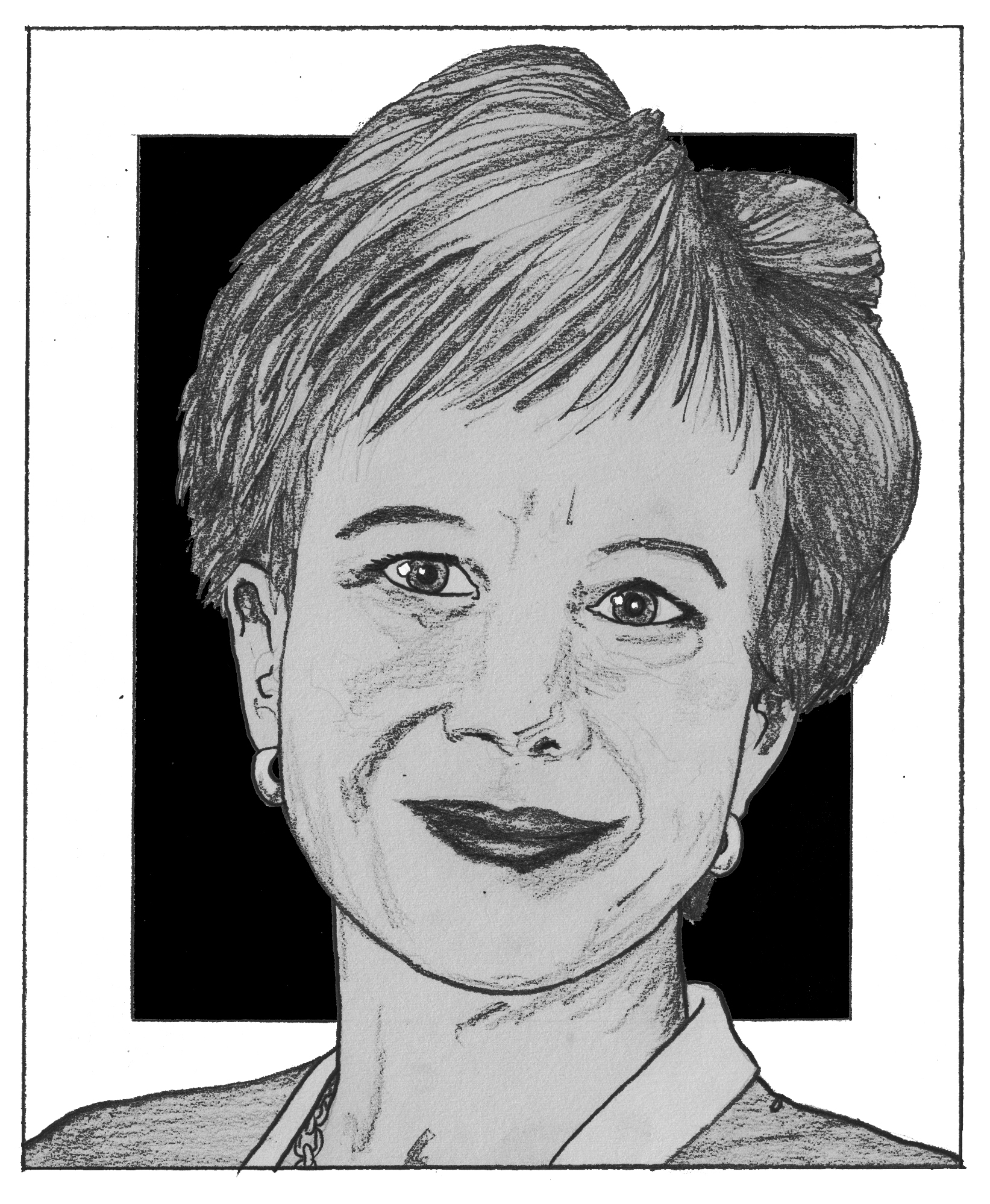
Introduction
Lyse Doucet is a renowned Canadian journalist whose reporting has garnered a global audience. As the BBC’s Chief International Correspondent, Doucet’s work is crucial in shaping public understanding of international events. Her insight and grounded narratives have made her a prominent figure in journalism, particularly in conflict zones.
Career Highlights
Doucet began her career as a foreign journalist in the early 1990s and gained significant recognition for her coverage of the Gulf War. Over the years, she has reported from various tumultuous regions, including Afghanistan, the Middle East, and the Balkans. Doucet’s ability to connect with people from diverse backgrounds and her fluent command of languages have set her apart in a field often dominated by male counterparts.
Recent Coverage and Contributions
In light of recent global events, Doucet’s coverage of the ongoing conflict in Ukraine and humanitarian crises around the world has highlighted her commitment to in-depth journalism. Notably, her reporting during the COVID-19 pandemic has underscored the human impact of the crisis, offering a platform for voices often unheard. Doucet has received numerous awards, including several Emmys, underlining her standing in the industry.
Influence and Recognition
Beyond her reporting, Doucet is known for her engaging storytelling and her ability to explain complex geopolitical issues in understandable terms. She is a frequent speaker at international conferences, where she advocates for the importance of journalism in democracy. With her extensive experience, Doucet inspires a new generation of journalists and is often cited as a role model for aspiring women in media.
Conclusion
Lyse Doucet’s contributions to journalism are significant, especially as the world faces increasingly complex issues. Her dedication to shedding light on critical global events ensures that audiences remain informed. Looking forward, Doucet’s work will likely continue to foster understanding and empathy in an often polarized world, reinforcing the essential role of journalism in society.