Introduction
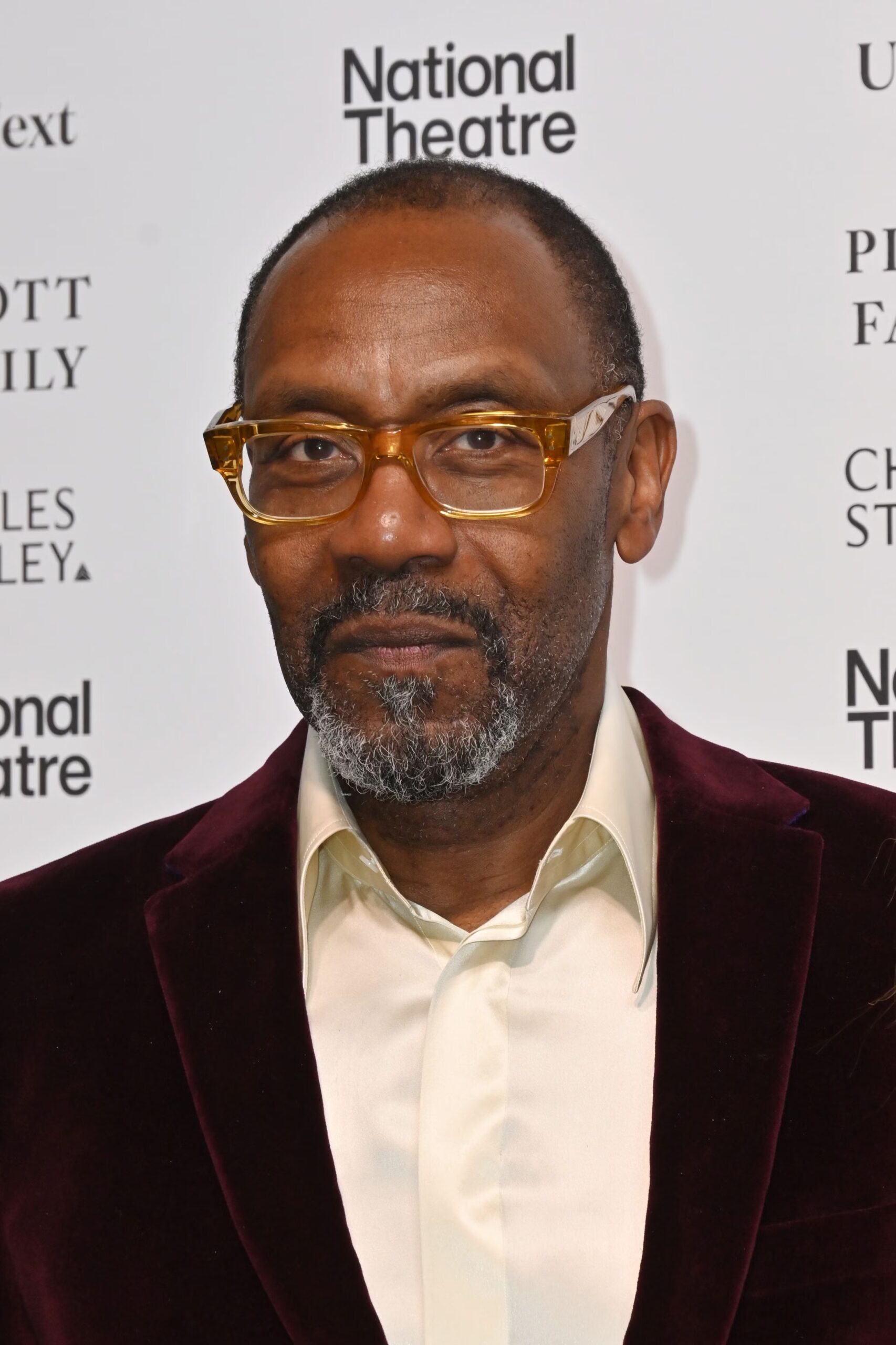
Lenny Henry is a pivotal figure in British comedy and entertainment, known for his groundbreaking work as a comedian, actor, and writer. His contributions have not only reshaped the comedy landscape in the UK but have also broken down racial barriers within the industry. As conversations around diversity and representation continue to grow, Henry’s legacy remains relevant and significant.
Career Highlights
Born in Dudley, England, in 1958, Lenny Henry began his career in the late 1970s, initially gaining fame through his performances on the television show ‘New Faces.’ This catapulted him into the limelight, leading to his own variety programmes, including ‘The Lenny Henry Show.’ Throughout the 1980s and 1990s, he became known for his ability to blend stand-up, character comedy, and musical talent, gaining a loyal following.
In addition to his television work, Henry has appeared in numerous stage productions and films, highlighting his versatility as a performer. Notably, his role in ‘The Comedy of Errors’ at the National Theatre showcased his dramatic abilities and earned him critical acclaim. In recent years, Henry has also turned his attention towards serious acting, featuring in the BBC drama ‘The Syndicate’ and the acclaimed film ‘The Last Tree.’
Advocacy and Contributions
Beyond his comedic career, Lenny Henry has been a vocal advocate for diversity in the entertainment industry. He co-founded the ‘BME (Black and Minority Ethnic) Performers’ Taskforce’ aimed at improving representation within British television. His efforts to champion underrepresented voices have earned him numerous accolades, including a knighthood for services to drama and charity in 2021.
Moreover, Henry has utilised his platform to bring attention to social issues, such as homelessness and racial inequality. His humanitarian efforts reflect a deep commitment to societal change and inspire younger generations of entertainers to use their talents for a greater good.
Conclusion
Lenny Henry’s influence on British comedy is undeniable. He has transformed not only the perceptions of comedic talent but has also paved the way for increased diversity within the industry. As the landscape of British entertainment continues to evolve, the significance of Henry’s contributions cannot be overstated. Looking ahead, he is likely to remain an influential figure, inspiring new generations of comedians and actors to follow in his footsteps while advocating for a more inclusive industry.