Introduction
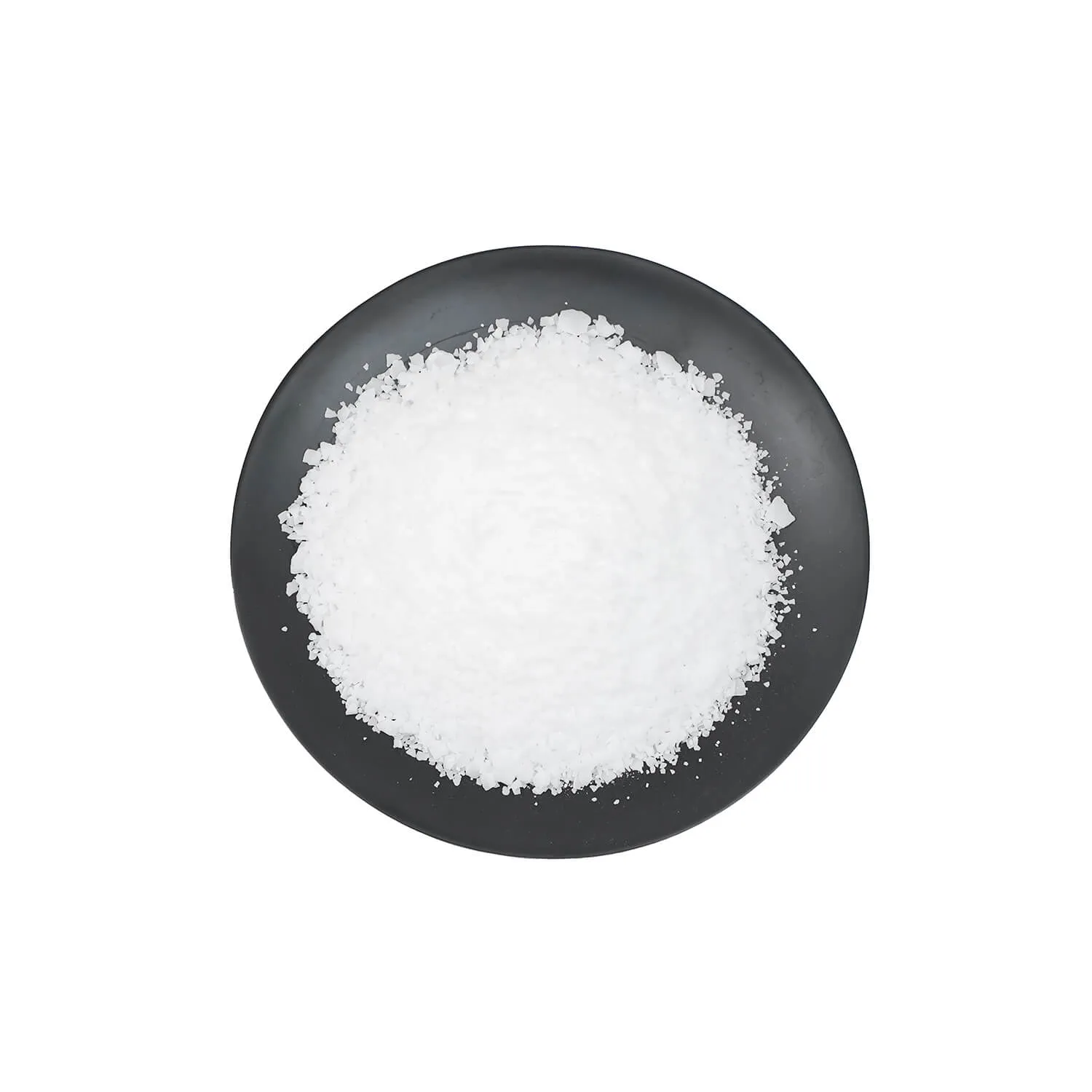
Hyaluronic acid has rapidly emerged as a key ingredient in the skincare industry due to its remarkable ability to retain moisture. Known for its hydrating properties, this naturally occurring substance in the human body has gained significant attention in cosmetic formulations and dermatological treatments. As more people seek effective solutions for skin maintenance and rejuvenation, understanding the importance of hyaluronic acid is more relevant than ever.
What is Hyaluronic Acid?
Hyaluronic acid is a glycosaminoglycan, a type of molecule that can hold up to 1000 times its weight in water. Found abundantly in connective tissues, skin, and cartilage, it plays a critical role in maintaining skin hydration, elasticity, and overall appearance. As we age, the natural production of hyaluronic acid diminishes, leading to dryness, loss of elasticity, and the formation of wrinkles.
Recent Developments and Uses
In recent months, dermatologists have noted a significant uptick in the use of hyaluronic acid in various cosmetic products and procedures. Recent studies show that regular use of skincare products containing hyaluronic acid can improve skin moisture levels and reduce the appearance of fine lines. Products ranging from serums, creams, and injectables are now widely available on the market.
Additionally, its application extends beyond cosmetics; hyaluronic acid is being utilised in joint injections for osteoarthritis sufferers, providing pain relief through enhanced lubrication. The frequent introduction of advanced formulas, including microparticles for targeted delivery, is revolutionising therapeutic practices.
Market Growth and Consumer Awareness
The global market for hyaluronic acid is projected to grow, as increasing consumer awareness regarding skincare is driving demand. According to recent market analysis, the hyaluronic acid segment is expected to reach $20 billion by 2025, reflecting the ingredient’s integral role in skin health. This growth indicates a broader trend of consumers prioritising science-backed ingredients over traditional cosmetics, promoting a more educated approach to skincare.
Conclusion
In conclusion, hyaluronic acid is a powerhouse in skincare, offering numerous benefits that enhance skin health and appearance. As its popularity continues to rise, consumers are advised to seek products with verified concentrations of hyaluronic acid to maximise benefits. The future looks promising for this versatile ingredient, likely leading to innovative formulations and extensive applications across health and beauty sectors. Thus, understanding the role of hyaluronic acid is essential for anyone keen on maintaining youthful and hydrated skin.