Introduction to Kurdistan
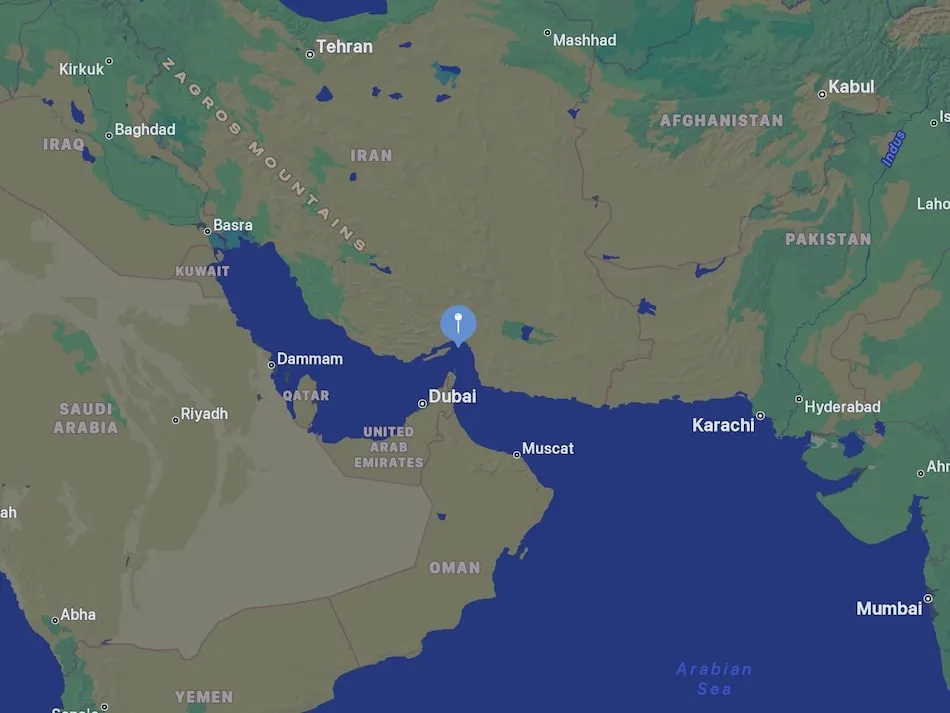
Kurdistan, a region spread across parts of Turkey, Iraq, Iran, and Syria, has recently gained attention for its complex geopolitical landscape. The area is home to the Kurdish people, an ethnic group seeking greater autonomy and rights. Given the turmoil in the Middle East, understanding Kurdistan’s significance is essential for grasping regional dynamics.
Current Events and Developments
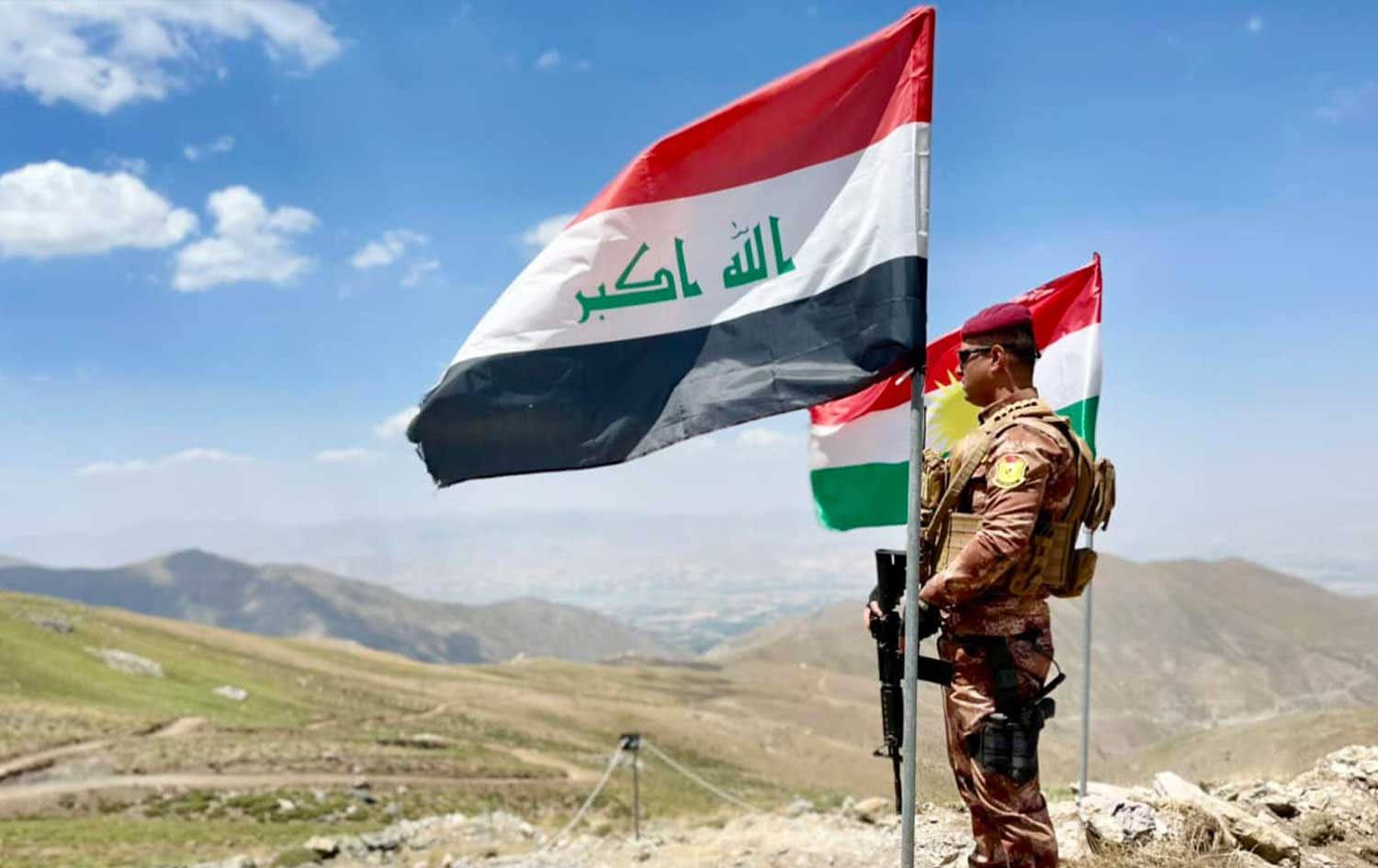
In Iraq, the Kurdistan Regional Government (KRG) has faced ongoing tensions with the central government in Baghdad regarding oil revenue-sharing and autonomy. In recent months, negotiations to resolve these disputes have stalled following Iraq’s constitutional court’s decision deeming the KRG’s oil and gas law unconstitutional. This ruling has raised fears of increased economic instability within the region, which heavily relies on oil exports.
Meanwhile, the Syrian Kurdish forces, primarily the People’s Protection Units (YPG), continue to play a critical role in combating terrorism and promoting stability in northeastern Syria. Following the withdrawal of US troops, concerns have emerged regarding the YPG’s safety from Turkish military operations, as Ankara considers them a terrorist group. The Turkish government’s incursions have led to significant displacement of Kurdish populations and have complicated the relationship between the Kurdish and Turkish governments.
Cultural and Economic Significance
Kurdistan’s rich cultural heritage adds another layer to its importance. Kurdish music, literature, and traditions are integral to regional identity, yet they face challenges due to political suppression. Efforts to preserve and promote Kurdish culture continue, particularly through education and media. Economically, Kurdistan holds considerable natural resources, especially oil, which bolsters its potential for development, providing opportunities as well as fueling conflict.
Conclusion: The Future of Kurdistan
The future of Kurdistan remains uncertain, given the fluid political landscape in the Middle East. As regional actors such as Turkey and Iran continue to wield influence, the Kurdish quest for self-determination will be pivotal. Observers predict that the KRG may push for renewed negotiations with Baghdad while navigating partnerships with international allies to safeguard its interests. For readers interested in international relations, the developments in Kurdistan serve as a critical lens through which to understand broader geopolitical trends in the region.