Introduction
The polar vortex is a significant meteorological phenomenon that can greatly influence winter weather patterns across the Northern Hemisphere. As forecasters begin to issue predictions regarding potential polar vortex splits, understanding the implications of these shifts is increasingly important for both climate enthusiasts and the general public. The polar vortex split forecast specifically suggests substantial changes in weather that could lead to extreme temperature fluctuations, affecting millions of people.
What is the Polar Vortex?
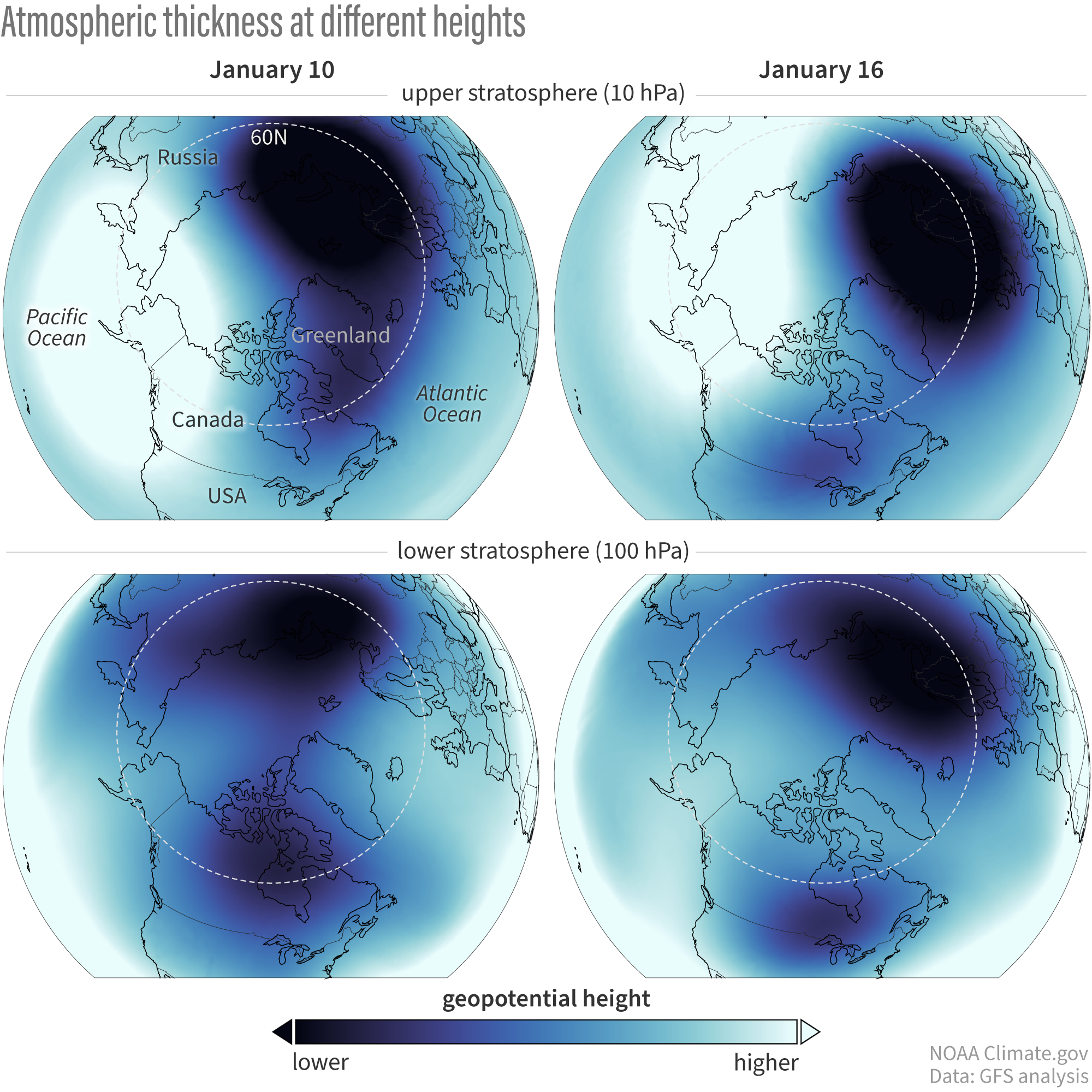
The polar vortex is a large area of low pressure and cold air surrounding the Earth’s poles. Typically, this system is stable, keeping frigid air contained within the polar regions. However, disruptions can occur, leading to what is known as a split. During a polar vortex split, colder air can spill out from the Arctic and push into mid-latitude regions, often resulting in significantly lower temperatures and unusual weather patterns.
Recent Developments
As of late October 2023, meteorological models have begun indicating that we may be on the verge of a polar vortex split this winter. Experts from the National Oceanic and Atmospheric Administration (NOAA) have highlighted changes in stratospheric temperatures that support this forecast. Such alterations suggest that parts of the Polar Vortex will weaken, allowing frigid Arctic air to escape and impact regions as far south as the United States and Europe.
Expected Impacts
The potential impacts of a polar vortex split are profound. Residents in affected areas could see a remarkable increase in cold snaps and snow events. Models predict that, if the split occurs as expected, the Northeast US regions may experience colder than average temperatures throughout late December and into January, while parts of Europe might face similar extremes.
Additionally, agronomists are monitoring the situation closely, as early frost and extreme freezes could affect crop yields across affected regions. Moreover, energy providers are preparing for the potential spike in heating demands, which could influence energy prices during the winter period.
Conclusion
The polar vortex split forecast is a vital topic as it holds the key to understanding possible extreme winter conditions ahead. While the specific timing and severity of the split remain uncertain, continuous monitoring by meteorologists will enable communities to brace for potential impacts. As climate change continues to affect traditional weather patterns, anticipating and adapting to these forecasts is crucial for maintaining safety and preparedness during the winter months. For readers, keeping an eye on updates regarding the polar vortex will be essential as we move deeper into the season.