Introduction
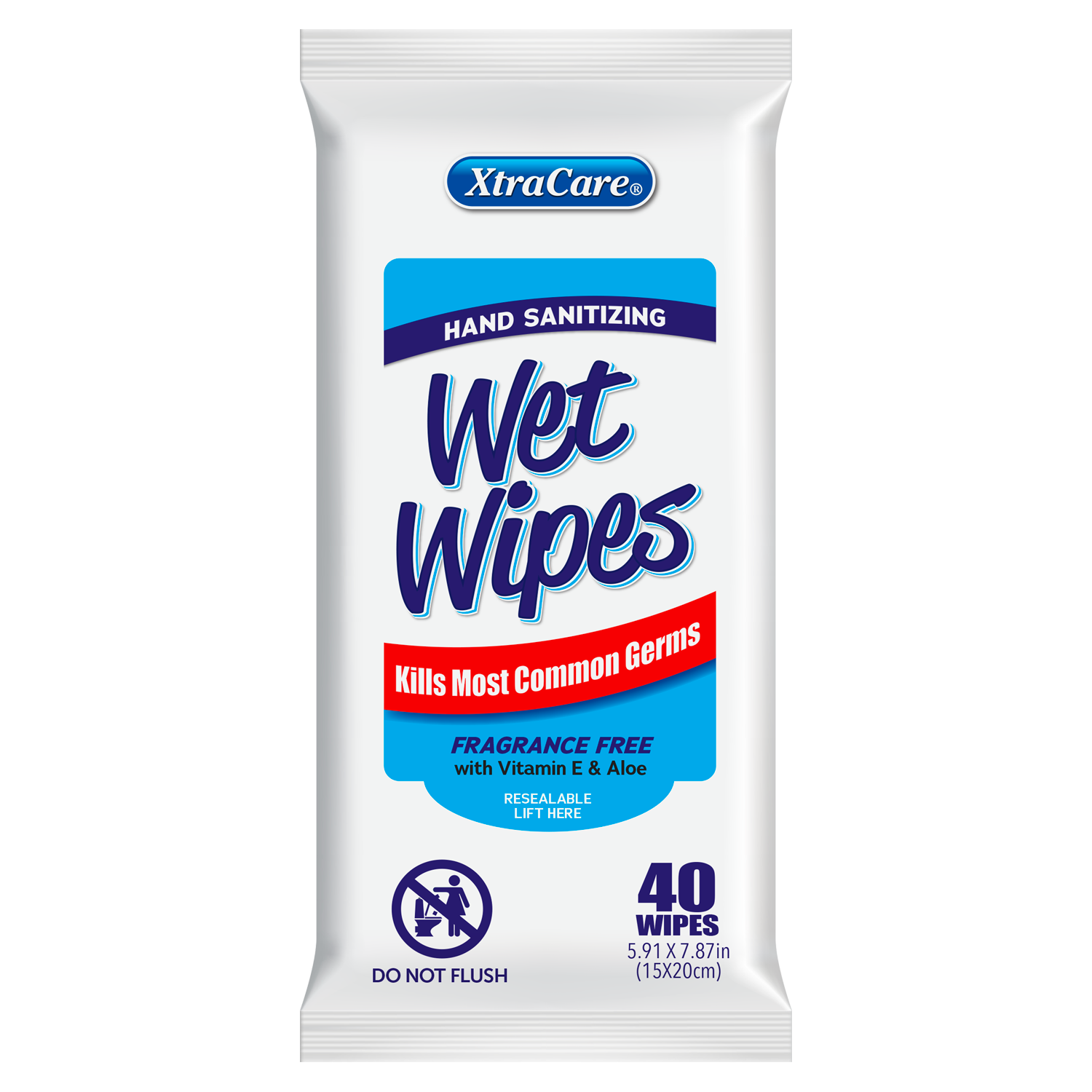
Wet wipes have become a staple in many households and public facilities for their convenience and effectiveness in cleaning. However, recent warnings have illuminated critical safety concerns and environmental issues related to their usage and disposal. The importance of addressing these issues is paramount for public health and environmental protection, urging consumers to be cautious and informed.
Recent Concerns About Wet Wipes
Several studies and environmental groups have raised alarms regarding the composition of wet wipes. Many products marketed as ‘flushable’ do not disintegrate like toilet paper, leading to significant blockages in sewage systems. According to the UK Water Industry, wet wipes contribute to approximately 93% of all sewer blockages. The financial burden of clearing these blockages falls heavily on local authorities, amounting to millions of pounds annually.
In addition to plumbing failures, the chemicals present in certain wet wipes have come under scrutiny. The British dermatological community has warned that some wipes contain irritating ingredients that can lead to skin reactions, especially for sensitive individuals. As cases of allergic reactions have increased, consumers are encouraged to read labels carefully and select products that are free from potentially harmful substances.
Regulatory Responses and Industry Changes
In response to these mounting concerns, regulators and environmental groups are advocating for clearer labelling and better industry practices. The UK government has launched initiatives aimed at reducing plastic waste, which includes scrutinising the production of wet wipes. Major brands are now being urged to adhere to standards that will ensure wipes are truly biodegradable or compostable.
Some companies have begun to respond positively, introducing products that comply with environmental standards. The introduction of certified biodegradable wet wipes aims to provide consumers with safer and more responsible options. However, the landscape remains complex as not all brands have adopted these eco-friendly measures.
Conclusion
The recent wet wipes warning serves as a crucial reminder for consumers to make informed choices regarding the products they use. Awareness of safety concerns surrounding chemical compositions and the environmental impact of improper disposal is essential. Looking ahead, the industry may shift toward more sustainable practices, and consumers play a pivotal role in driving these changes through their purchasing decisions. By choosing biodegradable options and advocating for clearer regulations, we can collectively contribute to cleaner waterways and healthier skin.