Introduction
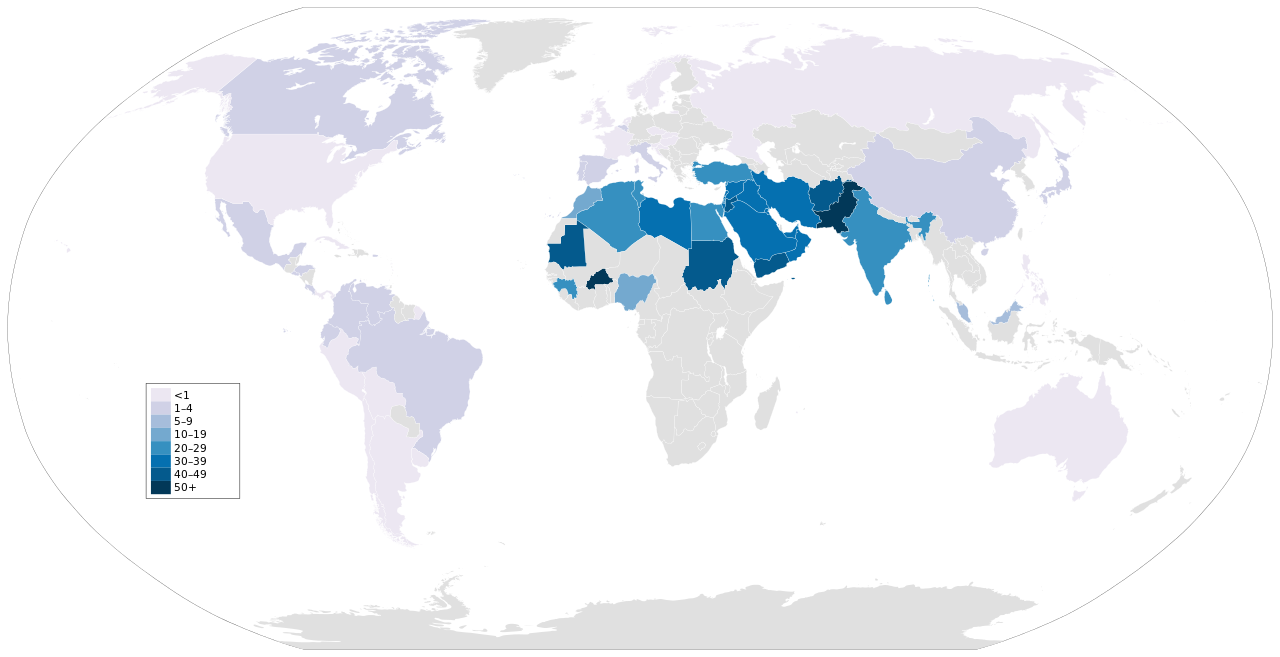
First cousin marriage is a subject that garners a mix of cultural significance, legal implications, and social discourse around the world. While some cultures embrace this union as a way to strengthen familial ties, others view it with skepticism due to potential genetic risks associated with inbreeding. With differing perspectives on the practice in various countries, understanding the importance of first cousin marriage is relevant in today’s multicultural society.
Cultural Perspectives
In many regions, particularly in parts of the Middle East, North Africa, and South Asia, first cousin marriages are a common practice, often seen as a way to preserve family wealth and strengthen alliances. The tradition may be rooted in historical customs where families preferred to keep wealth within their bloodline, aiming to ensure a close-knit community. In contrast, Western cultures tend to stigmatise such marriages, often influenced by genetic theories that question the suitability of marriage between close relatives.
Legal Aspects
The legality of first cousin marriage varies significantly around the globe. In the United Kingdom, for instance, first cousin marriage is legal, a stance that reflects a historical acceptance of the practice. However, various states in the USA have differing laws; some states permit it, while others impose restrictions or outright bans. This patchwork of regulations creates complexities for families who wish to formalise their unions.
Health Considerations
One of the primary concerns surrounding first cousin marriage is the potential for genetic disorders in children. Studies have shown that while the risk of birth defects can be higher in children born to first cousins, the increase is often considered marginal compared to the overall risk of genetic issues. Many medical experts advocate for genetic counselling for couples who are closely related, which can aid in understanding and managing potential health risks.
Conclusion
First cousin marriage remains a multifaceted topic, deeply entwined with cultural norms, legal frameworks, and health implications. As society evolves, so do the discussions surrounding this practice. It is important for individuals and families to explore both the sociocultural significance and the scientific information available regarding first cousin marriages. Understanding the complexities can empower families to make informed decisions, respecting traditions while embracing modern insights about genetics and health.