Introduction
Palau, an archipelago located in the western Pacific Ocean, has gained prominence in recent years for its breathtaking natural beauty and rich cultural heritage. As a destination frequented by divers and eco-tourists, its importance lies not only in its stunning marine environments but also in its efforts to preserve biodiversity. Visitors to Palau can experience a unique blend of adventure and tranquility, making it an attractive location for both relaxation and exploration.
Geography and Climate
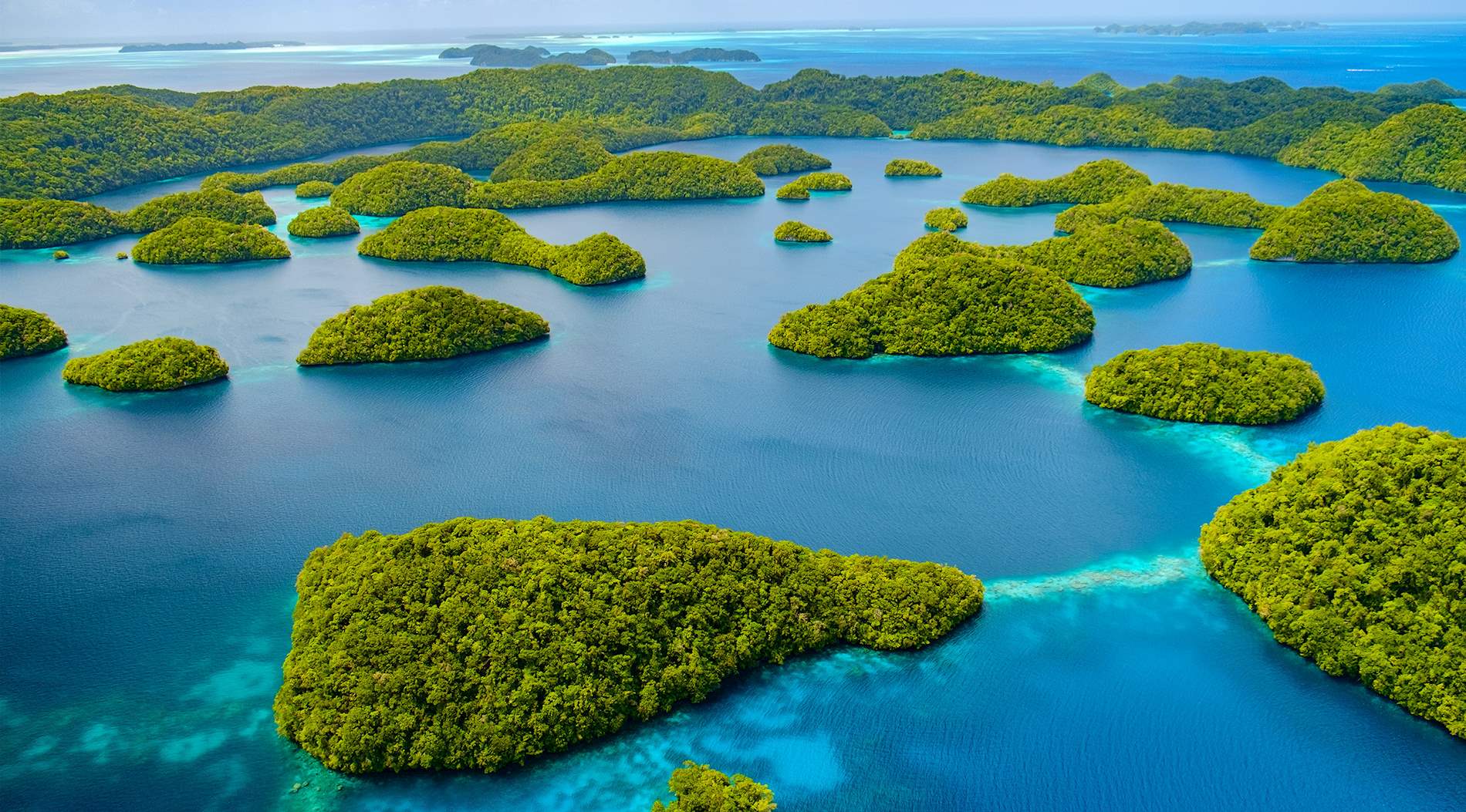
Palau is comprised of over 300 islands, with the main island being Babeldaob. The nation is known for its lush landscapes, pristine lagoons, and extensive coral reefs. The climate is tropical, with temperatures typically ranging from 24°C to 32°C. Rainfall is abundant, particularly during the wet season from May to November, which can influence travel plans for tourists.
Marine Biodiversity
The underwater ecosystems around Palau are among the most diverse in the world. The Rock Islands Southern Lagoon, a UNESCO World Heritage Site, hosts an extraordinary variety of marine life including manta rays, sharks, and countless species of fish. In addition to diving, snorkelling is a popular activity, offering visitors a glimpse into the vibrant underwater world without the need for extensive training.
Cultural Significance
The culture of Palau is deeply intertwined with its history and traditions. The Palauan people have maintained many of their ancestral practices, including traditional artistry and fishing techniques. Recent cultural festivals, such as the Palau Independence Day celebrations, showcase the nation’s heritage through music, dance, and culinary traditions, drawing both locals and tourists alike.
Environmental Conservation Efforts
Palau has gained international attention for its commitment to environmental conservation. In 2015, the island nation declared a large portion of its waters as a marine sanctuary, effectively protecting its unique ecosystems from overfishing and pollution. Recently, Palau participated in global discussions about climate change, emphasising the need for sustainable practices to safeguard its environment for future generations.
Conclusion
In summary, Palau stands out as a crucial destination for eco-tourism, offering a harmonious blend of natural beauty and cultural richness. With increasing global awareness of climate change and environmental issues, Palau’s dedication to conservation could serve as a model for other nations. The island nation’s status as a Pacific paradise ensures its relevance on the world stage, offering not just a getaway for travellers, but a vital narrative of preservation and cultural identity that resonates well beyond its shores.