Introduction
In recent years, oat milk has emerged as a frontrunner in the plant-based beverage market, capturing the attention of consumers who seek dairy alternatives. As health consciousness and environmental awareness grow, many are turning to oat milk for its nutritional benefits and sustainable production. This article explores the significance of oat milk, its rise in popularity, and its impact on the food and beverage industry.
The Surge in Popularity
Oat milk sales have surged, particularly during the COVID-19 pandemic when many consumers sought healthier and sustainable food options. According to recent reports from research firms, the global oat milk market was valued at approximately £1.8 billion in 2022 and is expected to reach £5.6 billion by 2030, reflecting a compound annual growth rate of 15.7%.
Brands like Oatly and Alpro have played pivotal roles in this trend. Oatly, a Swedish brand, has positioned itself as the leader in the oat milk sector, benefiting from a robust marketing strategy that emphasises sustainability and ethical practices. The brand’s campaigns often highlight the environmental advantages of oat farming over traditional dairy production, such as lower greenhouse gas emissions and reduced water usage.
Health Benefits and Versatility
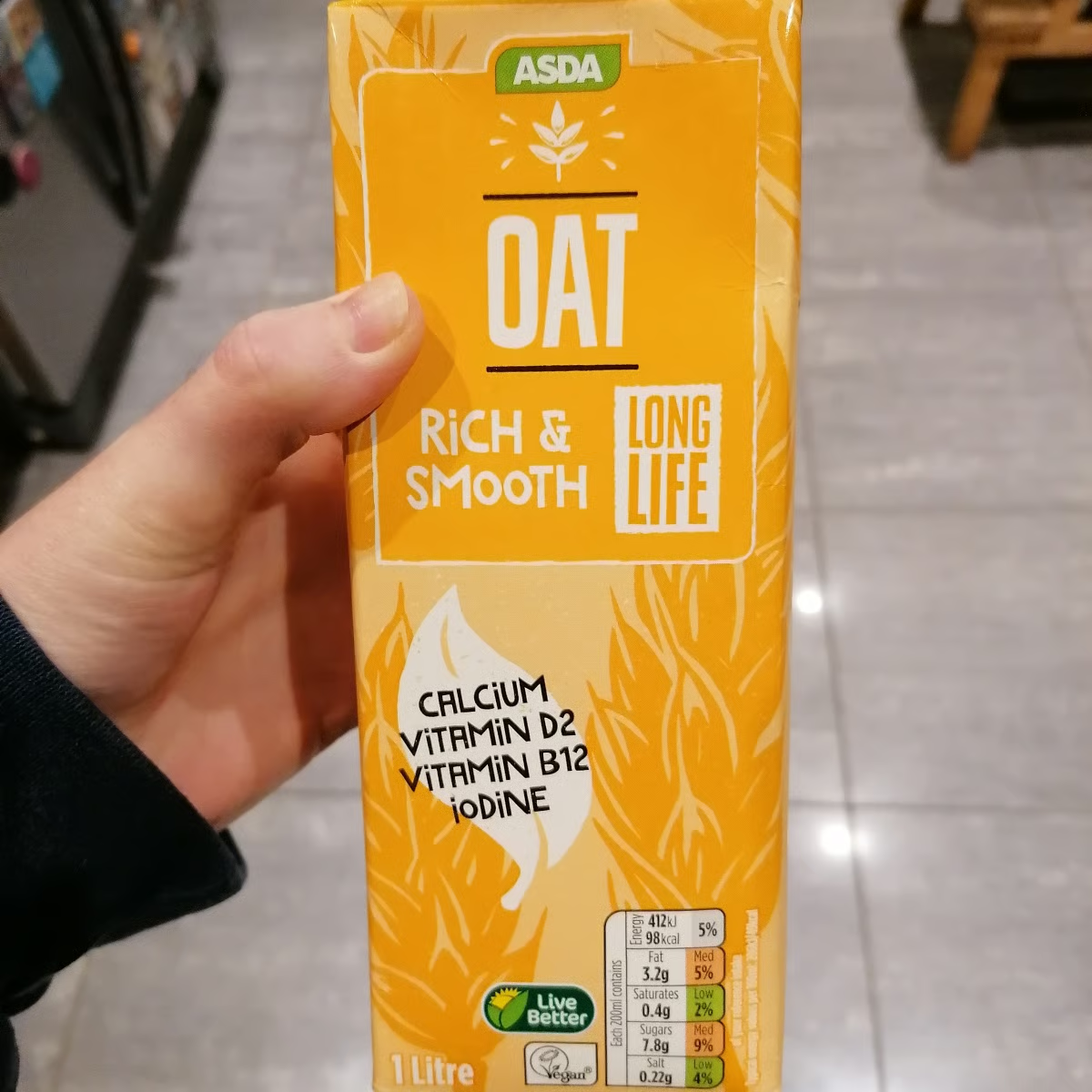
Oat milk is praised for its creamy texture and naturally sweet taste, making it a favourite for coffee drinks, smoothies, and cereals. Nutritionally, oat milk is high in vitamins such as B12 and D, and is often fortified with calcium to offer similar benefits to cow’s milk. Additionally, it is free from lactose, cholesterol, and nuts, making it an excellent alternative for those with dietary restrictions.
Nutritionists highlight that oats are high in beta-glucans, a type of soluble fibre that can help lower cholesterol levels and support heart health. This growing recognition of health benefits is attracting a broader audience, from vegans to fitness enthusiasts.
Environmental Impact and Sustainability
As consumers become increasingly conscious of their carbon footprint, oat milk stands out as a more sustainable choice compared to dairy and even other plant-based milks. Studies indicate that producing one litre of oat milk generates significantly fewer emissions than cow’s milk. Additionally, oats require less water, land, and energy, contributing to a lower environmental impact.
Conclusion
The rise of oat milk signifies a dramatic shift in consumer preferences towards more sustainable and health-conscious choices. As the market continues to expand, it is essential for consumers to stay informed about their options and the implications of their dietary choices on health and the environment. With its versatility and positive attributes, oat milk is likely to remain a staple in many diets for years to come.