Introduction to Noel Clarke
Noel Clarke is a prominent British actor, director, and writer, best known for his roles in the ‘Doctor Who’ franchise and the ‘Kidulthood’ film series. His contributions to the British film and television industry have earned him critical acclaim and a dedicated fan base. However, Clarke’s career was recently thrust into the spotlight due to serious allegations of misconduct, making this topic highly relevant in contemporary discussions about accountability in the entertainment industry.
Career Highlights
Clarke first gained widespread recognition in 2005 when he appeared in the long-running television series ‘Doctor Who,’ playing the character Mickey Smith. He successfully transitioned from acting to directing, with notable films like ‘Kidulthood’ (2006) and ‘Adulthood’ (2008), which he also wrote. Clarke’s work often tackles issues faced by young people in urban environments, resonating with a diverse audience.
Allegations and Impact
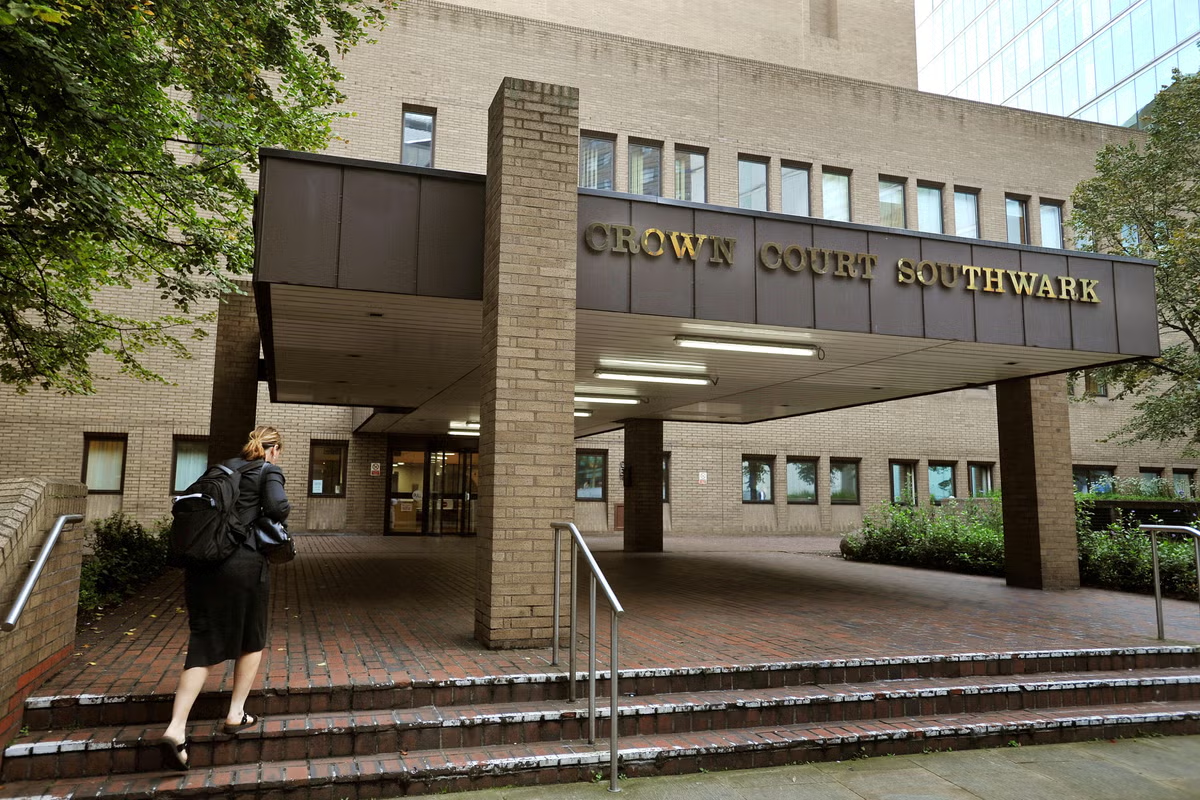
In April 2021, Clarke was accused by multiple women of sexual harassment and inappropriate behaviour, which surfaced in a report by The Guardian. These allegations have significantly affected his career and public perception. Following the media uproar, he was removed from various projects, including a BBC series and a recent film, highlighting the industry’s response to such claims. The implications of these allegations extend beyond Clarke, raising ongoing discussions around sexism and safety within the entertainment sector.
Current Developments and Future Prospects
As of late 2023, Clarke has largely remained silent in public and on social media. The media landscape’s evolving discussion concerning workplace conduct and accountability puts pressure on institutions to reassess their protocols regarding allegations. Several actors and industry professionals have called for changes that would create safer environments for performers, indicating that this issue could lead to long-term reform in the industry.
Conclusion
The narrative surrounding Noel Clarke serves as a potent reminder of the complexities involved in the entertainment world, where talent can be overshadowed by personal conduct. As audiences become increasingly aware of the ethical considerations in film and television, the industry may witness significant transformations in how such matters are handled. For readers and fans, the developments in Clarke’s case underscore the importance of advocacy for positive change, ensuring that stories are told and shared within a safe and respectful framework.