The Importance of Winter Olympics Medals
The Winter Olympics, a premier international sports event, showcases the world’s top athletes competing in various winter sports. The medals awarded at this event—gold, silver, and bronze—represent the pinnacle of achievement in their respective disciplines. They are not merely trophies, but symbols of national pride and sporting excellence.
Recent Developments in Winter Olympics Medals
As the recent Winter Olympics held in Beijing 2022 demonstrated, the competition for medals is as fierce as ever. With over 300 events taking place, countries from around the world including Norway, Germany, and the host nation, China, competed vigorously to secure podium finishes. Norway topped the medal table, clinching an impressive 37 medals, including 16 golds, while Germany and Canada followed closely behind.
The Design and Production of Winter Olympics Medals
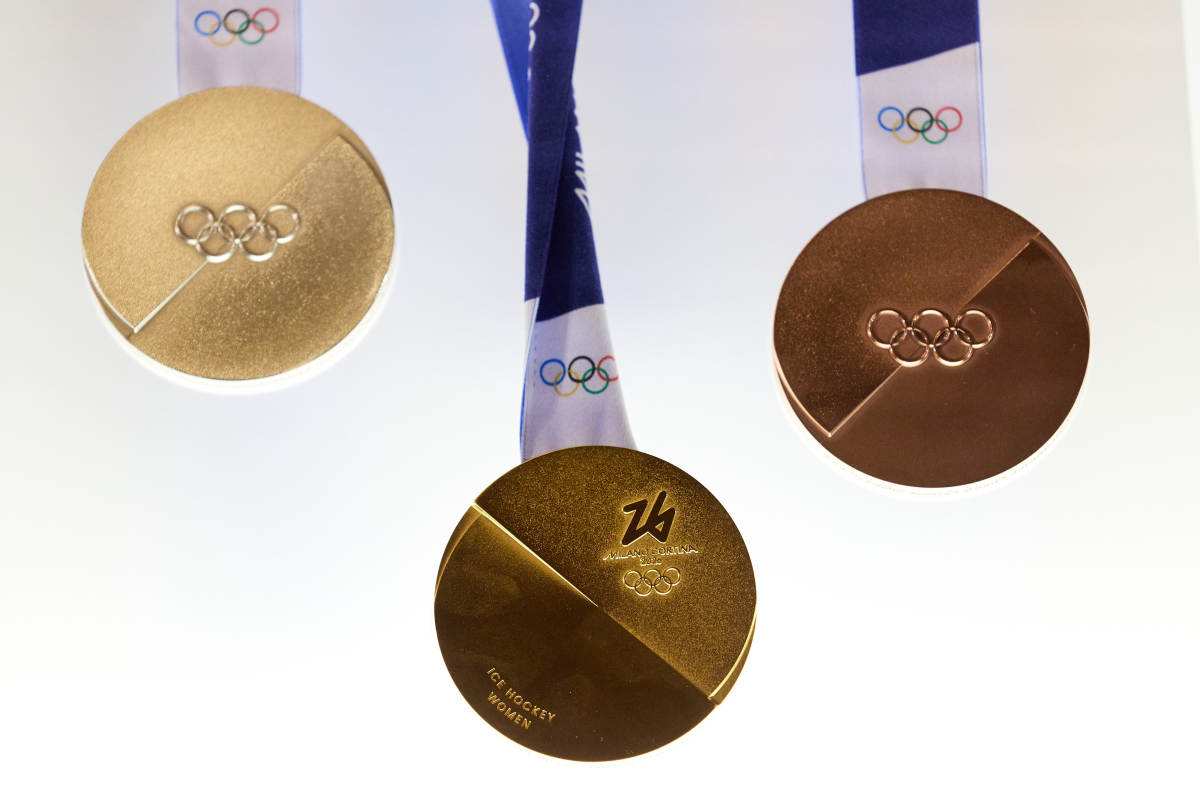
The design of Winter Olympics medals is typically inspired by the host country’s culture and geography. For the Beijing 2022 Olympics, the medals were designed to reflect China’s rich heritage, featuring a snowflake design symbolizing purity and strength. The medals are produced using sustainable materials, an initiative reflecting the global movement towards more eco-friendly practices in sporting events.
Significance of Medal Rankings
Medal rankings are a source of national pride, as they often reflect a country’s investment in sports development and the prowess of its athletes. The tally not only highlights the successes of the athletes but also influences public interest and support for winter sports in those nations. The close contests and rivalries, especially between traditional powerhouses, create an exciting atmosphere for spectators and aspiring athletes alike.
The Future of Winter Olympics Medals
Looking ahead, the next Winter Olympics will take place in Milan-Cortina in 2026. As nations prepare for this upcoming event, the focus will inevitably be on not only winning medals but also fostering a legacy that inspires future generations in winter sports. Discussions about innovation in medal design, sustainability, and enhancing the athlete experience are ongoing.
Conclusion
In conclusion, Winter Olympics medals remain a vital aspect of the sporting world, symbolizing hard work, dedication, and national pride. As countries gear up for future competitions, the emphasis on performance excellence and the significance of these accolades will undoubtedly continue to play a pivotal role in the culture of winter sports.