Introduction
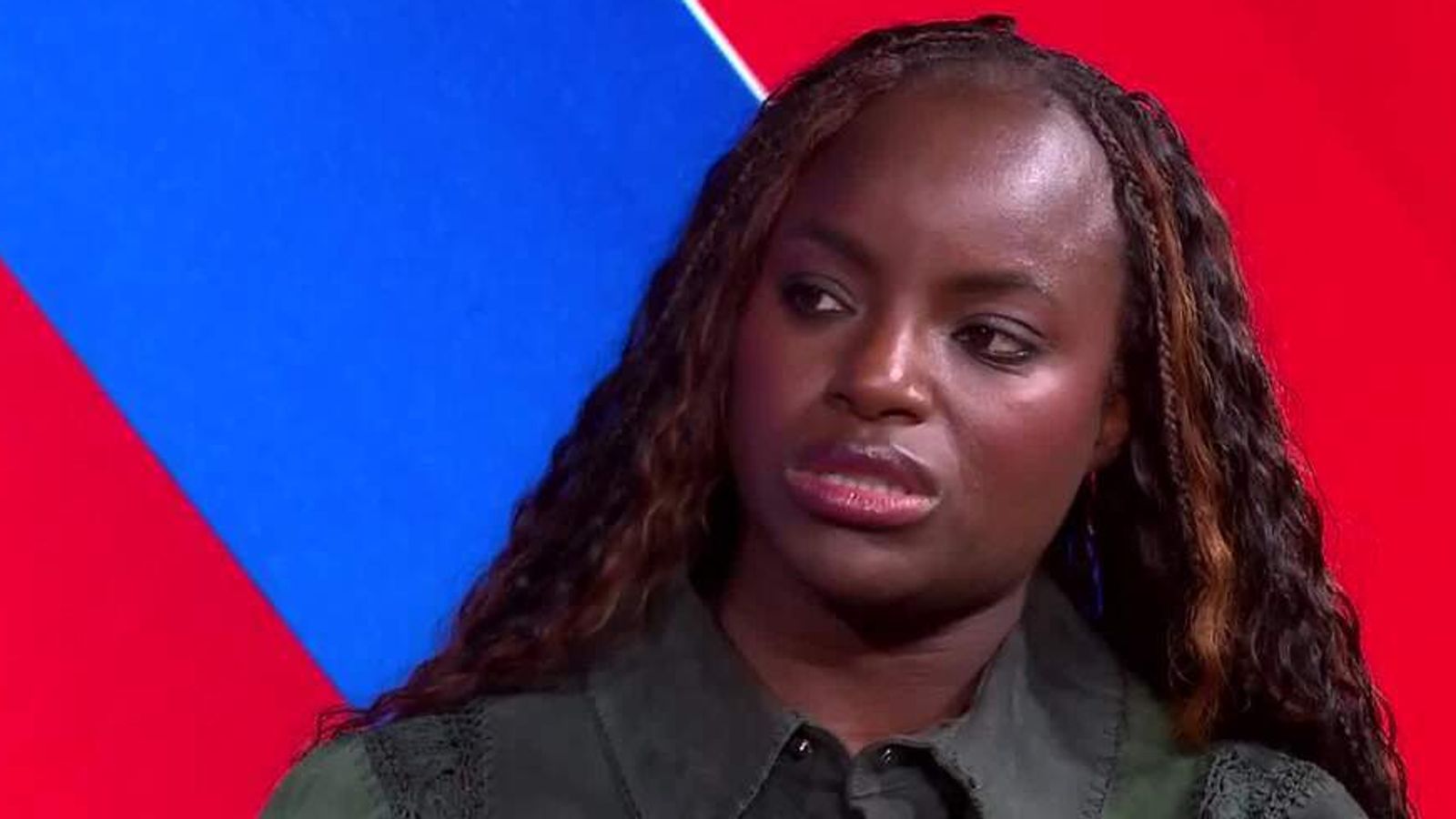
Eni Aluko, a trailblazing figure in women’s football, has been making headlines not only for her remarkable skills on the pitch but also for her commitment to activism. Born in London in 1987 to Nigerian parents, Aluko has carved a niche for herself both as an international footballer and a voice for social change. Her journey reflects the growing intersection of sports and activism, making her story particularly pertinent in today’s climate where inclusivity and diversity are paramount.
Football Career Highlights
Aluko’s football career began at a young age, and she made her senior debut with the Birmingham City Ladies in 2005. She was later signed by Chelsea FC Women in 2016, where she enjoyed a highly successful period, winning multiple league titles and cups. Throughout her career, Aluko has also been a vital part of the England national team, earning over 100 caps and representing her country in major tournaments including the UEFA Women’s Euro and the FIFA Women’s World Cup.
Activism and Advocacy
Beyond her athletic prowess, Eni Aluko is known for her outspoken advocacy on issues including racism and gender equality in sports. After experiencing discrimination and a lack of diversity within football, she has used her platform to raise awareness and push for change. In a notable instance, she bravely spoke out against the Football Association regarding the treatment of players, prompting discussions about institutional bias in the sport. Aluko has also been involved in various campaigns seeking to improve representation in football, particularly for women and people of colour.
Future Endeavours
As Aluko continues to champion diversity in sports, her recent ventures include working as a pundit and commentator, where she aims to inspire the next generation of female athletes. Additionally, she remains active in mentoring young footballers from diverse backgrounds, advocating for better pathways in professional football.
Conclusion
Eni Aluko’s multifaceted career highlights the importance of using one’s platform for social change. As she breaks barriers in both sports and activism, her influence will likely resonate for years to come. For readers interested in the intersection of sports and social justice, Aluko’s journey serves as a powerful reminder of how athletes can lead the charge for a more inclusive future in all sectors of society.