Introduction
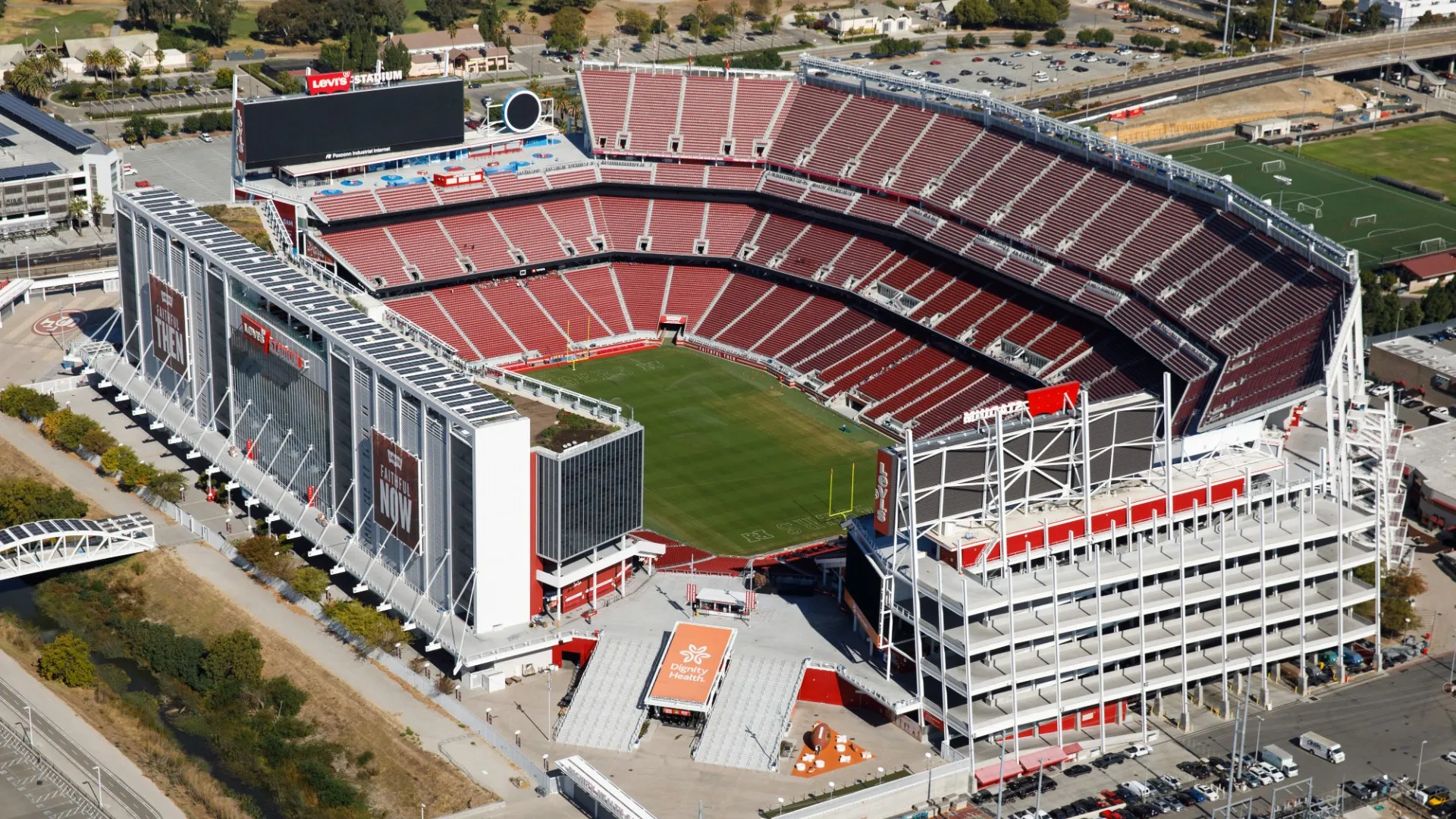
Levi’s Stadium, located in Santa Clara, California, is not just a modern marvel of architecture; it plays a critical role in hosting a variety of sports and entertainment events. Opened in 2014, the stadium is primarily known as the home ground of the San Francisco 49ers of the National Football League (NFL). Understanding the capacity of Levi’s Stadium is essential for fans, event planners, and economists alike, as it determines the potential turnout and economic impact of events held at this venue.
Current Capacity
Levi’s Stadium has an official seating capacity of 68,500 for most events, including NFL games. This capacity can be expanded to accommodate up to 75,000 attendees for concerts and other special events, demonstrating the stadium’s versatility. The stadium features state-of-the-art amenities, including high-definition video displays and a variety of premium seating options, which enhance the overall spectator experience.
Events and Their Attendance
Since its inauguration, Levi’s Stadium has hosted numerous significant events, including Super Bowl 50 in 2016, various college football games, and international soccer matches. The stadium’s design and capacity allow it to serve as a prime location for high-stakes events that draw large crowds. For instance, the Super Bowl brought in over 70,000 visitors, showcasing how a large capacity can benefit the local economy through tourism and associated spending.
The Impact of Capacity on Business
The seating capacity of Levi’s Stadium directly affects the revenue potential for events held there. Higher attendance translates to increased ticket sales, concessions, and merchandise revenue. Moreover, with its scenic views and modern infrastructure, Levi’s Stadium attracts corporate sponsorships and partnerships that benefit from the exposure generated by large audiences. In recent years, the venue has successfully completed numerous renovations to enhance capacity flexibility and improve accessibility, confirming its commitment to ensuring a premium experience for all attendees.
Conclusion
In conclusion, the capacity of Levi’s Stadium plays a pivotal role in its operation and economic impact in the region. As events continue to ramp up post-pandemic, its ability to host large audiences will be crucial for recovery and growth in the sports and entertainment sectors. With its modern features and strategic location, Levi’s Stadium is well-positioned to remain a key player in the world of multi-purpose venues, contributing to both local culture and economy in the years to come.