Introduction
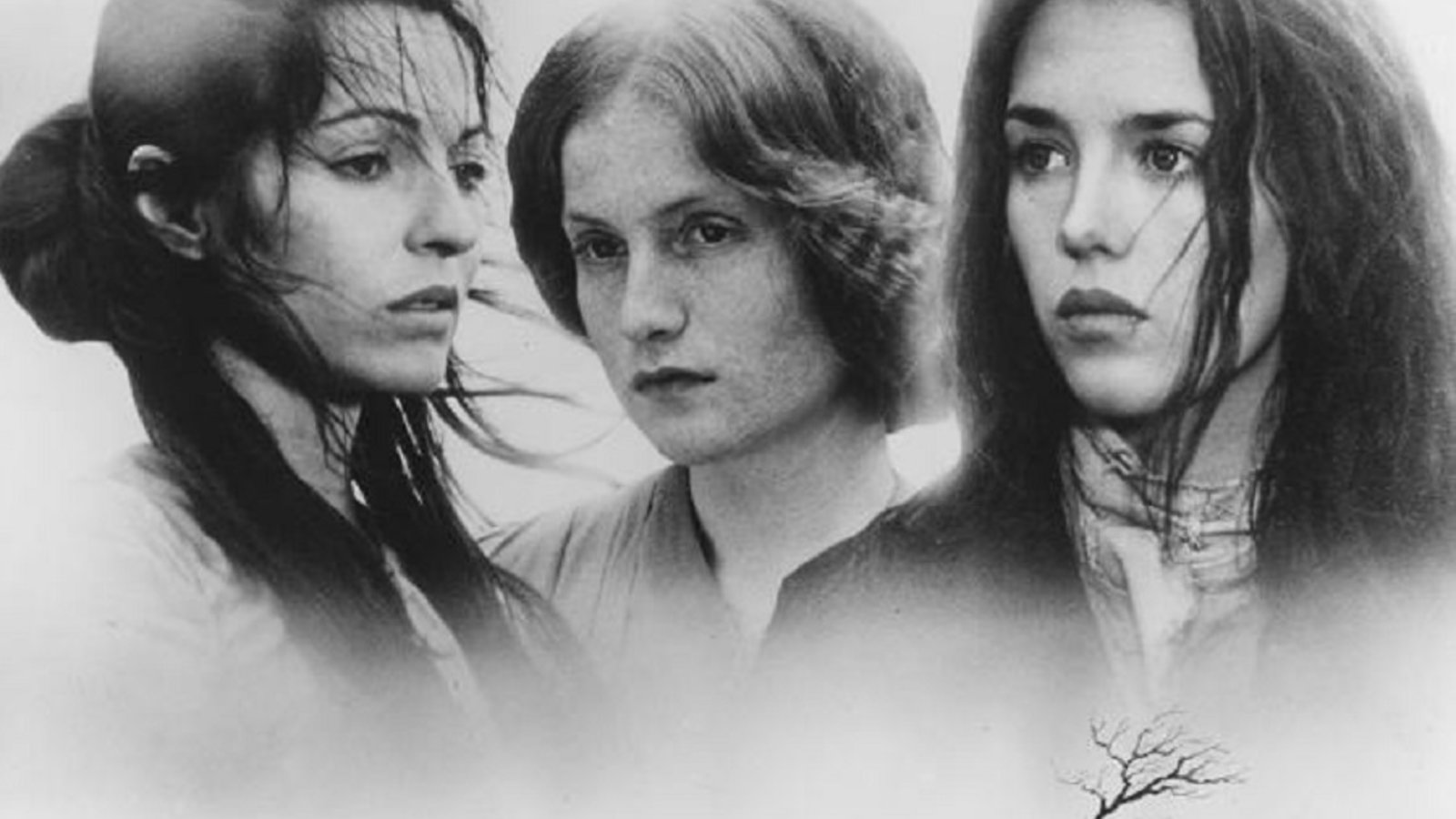
The Bronte sisters—Charlotte, Emily, and Anne—are celebrated as some of the most influential writers in English literature. Their works, characterized by their deep emotional intensity and exploration of complex themes, have left a lasting impact on readers and writers alike. Understanding their lives and contributions provides valuable insight into the challenges faced by women in the 19th century and the evolution of the novel as a literary form.
A Brief Overview of Their Lives
Born in the early 1800s in Yorkshire, England, the Bronte sisters grew up in a challenging environment influenced by the deaths of their mother and two elder sisters. Educated at home, they began writing at a young age, creating imaginary worlds that would eventually evolve into their notable literary works. Despite facing numerous hardships, including the struggles of poverty and societal expectations, the sisters published their novels anonymously, initially under the pen names of Currer, Ellis, and Acton Bell.
Major Works and Themes
Charlotte Bronte’s most famous work, Jane Eyre, is a groundbreaking novel that defied contemporary conventions by presenting a strong, independent female protagonist. The novel explores themes of love, morality, and social criticism, making it a timeless classic. Emily Bronte, on the other hand, made her mark with Wuthering Heights, a tale of passionate love and revenge set on the Yorkshire moors. The novel’s wild, untamed characters challenge societal norms, providing a raw depiction of human emotions. Anne Bronte’s contributions, though often overshadowed, include Agnes Grey and The Tenant of Wildfell Hall, which tackle issues such as women’s independence and social injustices of the era.
Legacy and Influence
The legacy of the Bronte sisters extends far beyond their literary contributions. Their works have inspired countless adaptations in theatre, film, and even modern literature. Their portrayal of complex female characters has paved the way for future generations of women writers, advocating for equality and highlighting the importance of female voices in literature. Today, Bronte Parsonage Museum in Haworth attracts thousands of visitors who seek to celebrate and understand the lives of these remarkable women.
Conclusion
The Bronte sisters have secured their place in literary history as pioneers who challenged societal norms and explored the human condition with depth and emotion. Their works continue to resonate with readers, offering insights into the struggles of self-identity, love, and societal expectations. As we reflect on their contributions, it becomes increasingly evident that understanding their stories allows us to appreciate the evolution of literature and the ongoing impact of the Bronte sisters on modern storytelling.