The Importance of Tracking Time in San Francisco
San Francisco, renowned for its iconic Golden Gate Bridge and vibrant culture, is not only a major city on the West Coast of the United States but also plays a crucial role in global timekeeping. As part of the Pacific Time Zone (PT), San Francisco operates at GMT-7 during Daylight Saving Time and GMT-8 otherwise. Understanding the time in this city is vital for businesses, travelers, and those communicating across different time zones.
Current Time and Time Zone Details
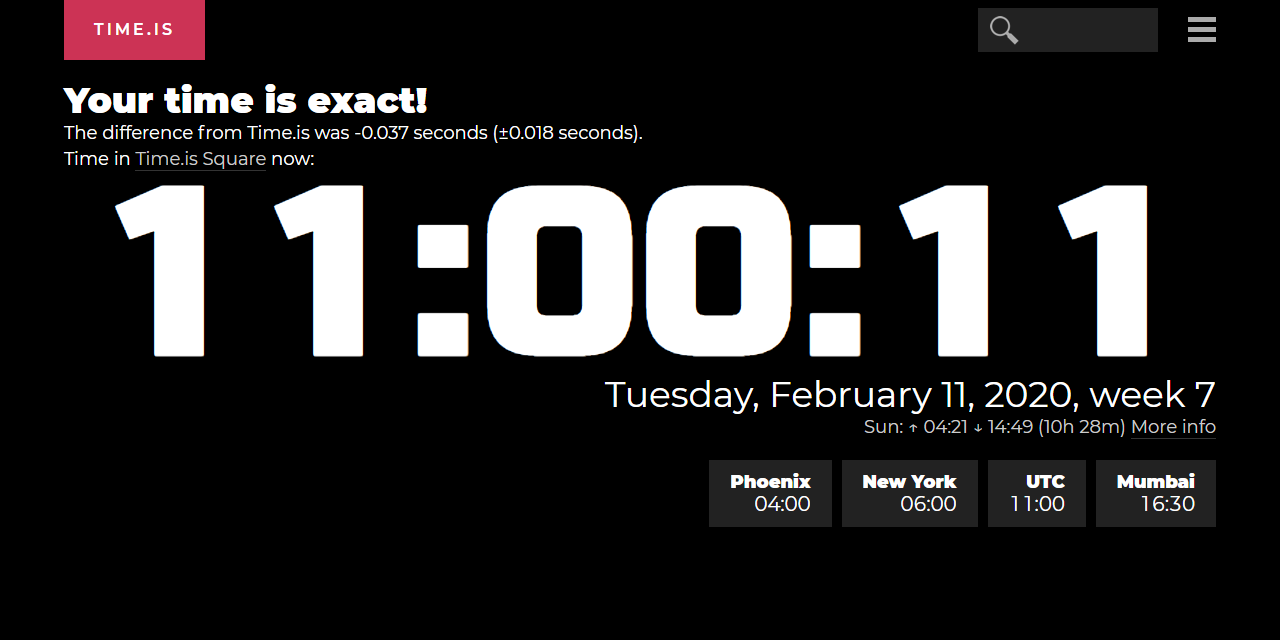
As of October 2023, San Francisco observes Pacific Daylight Time (PDT). This means that the local time is currently eight hours behind Coordinated Universal Time (UTC-8) during standard time and seven hours behind during Daylight Saving Time, which typically runs from the second Sunday in March until the first Sunday in November. For example, if it is noon UTC, it would be 5 AM PDT in San Francisco.
Converting Time Zones
When scheduling meetings or events with individuals in San Francisco from different cities or countries, it’s essential to convert the time accordingly. For instance, if someone in New York (Eastern Daylight Time, UTC-4) wishes to coordinate a call at 3 PM, it will be 12 PM in San Francisco. Similarly, for international communications, knowing the time in San Francisco becomes crucial as it can significantly affect business operations and travel plans.
Technological Advancements in Timekeeping
With the rise of digital technology, the methods for keeping track of time have become increasingly sophisticated. Global Positioning System (GPS) technology allows for accurate positioning and timing, reflecting how the world is interconnected more than ever. San Francisco, being a tech hub, often leads in implementing the latest advancements in this field.
Conclusion: The Significance of Time Awareness
With its strategic importance and significant contributions to technology and culture, understanding the current time in San Francisco is not just about knowing the hour; it’s about acknowledging the city’s role in a global context. Whether for professional engagements or personal travel plans, accurate time management will enable better coordination and efficiency. As we move forward, staying aware of time differences will continue to be a vital part of effective communication and business practices, especially in a city that operates on a different pace compared to others around the world.