Introduction
William Golding’s novel ‘Lord of the Flies’ has captured the imagination of readers since it was published in 1954. The story’s exploration of human nature and the inherent darkness within has been adapted into film several times, most notably in 1963 and 1990. Understanding the filming locations is crucial as they contribute significantly to the atmosphere and themes of the narrative. Both adaptations were shot in distinct geographical settings, adding layers to the interpretation of Golding’s classic tale.
Filming Locations for the 1963 Adaptation
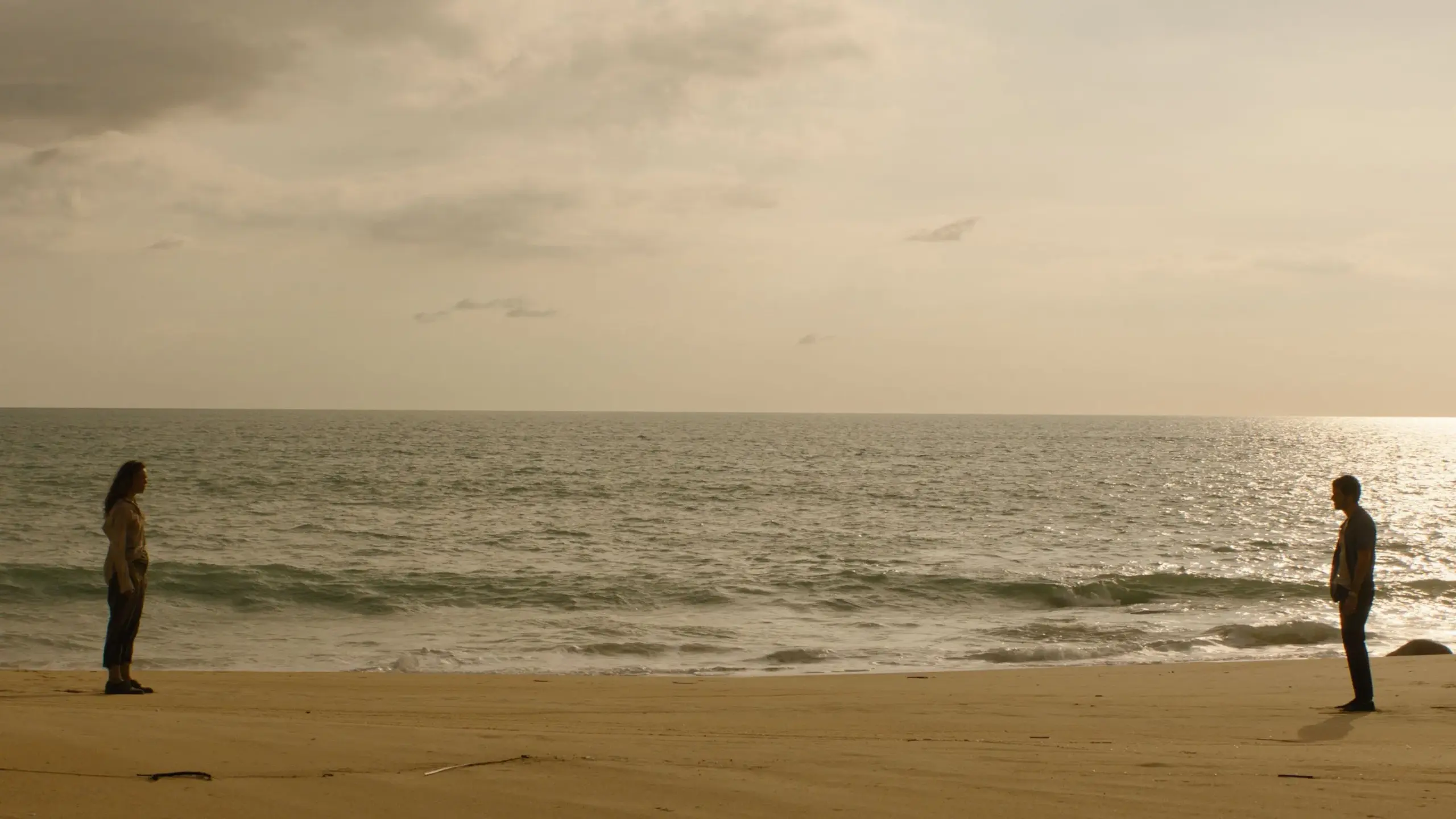
The 1963 version of ‘Lord of the Flies’ was shot on the picturesque island of Kaua’i in Hawaii. The lush jungles and beautiful beaches provided a striking backdrop that contrasted sharply with the descent into savagery depicted in the film. Notable locations included Ha’ena State Park and the Na Pali Coast, which offered stunning visuals that enhanced the film’s storytelling. The choice of such an idyllic setting served to amplify the themes of innocence and the lost paradise, as the boys’ descent into chaos unfolded against a backdrop of natural beauty.
Filming Locations for the 1990 Adaptation
In contrast, the 1990 remake took a different approach to its filming locations. This adaptation was filmed in the Caribbean, primarily on the island of Vieques, which is located off the east coast of Puerto Rico. The decision to shift the filming location to the Caribbean introduced a different kind of rugged wilderness, characterized by more barren landscapes and a harsher environment, paralleling the film’s darker tones. The rocky beaches and wild terrain reflected the savage nature of the boys’ transformation, highlighting the stark realities of their isolation.
Significance of Filming Locations
The choice of filming locations for both adaptations of ‘Lord of the Flies’ has a profound impact on the narrative. In the 1963 film, the lush Hawaiian landscapes evoke a sense of nostalgia and innocence lost, while the 1990 version uses the more rugged Caribbean setting to underscore the brutality and savagery that emerges among the boys. Each location not only serves as a visual representation of the themes but also influences the audience’s emotional engagement with the story.
Conclusion
Whether shot in the idyllic vistas of Hawaii or the rugged terrain of Vieques, the filming locations of ‘Lord of the Flies’ play a crucial role in conveying the underlying messages about humanity, civilization, and savagery. As adaptations continue to emerge, the exploration of such settings will remain essential to understanding the visual and thematic narratives of Golding’s powerful story. For fans and scholars alike, these locations provide not just a backdrop but a profound commentary on the human condition.