Introduction
The Winter Olympics, a major international sporting event, showcases top athletes from around the globe competing in winter sports. Held every four years, this event has gained significant attention due to its competitive spirit and the unity it brings across nations. The medal table is a key aspect of these Games, reflecting the success of each participating country and their athletes. As the 2022 Winter Olympics unfold in Beijing, many fans and analysts are closely monitoring the medal standings, seeking to understand which nations excel and which sports are contributing to their success.
Current Standings
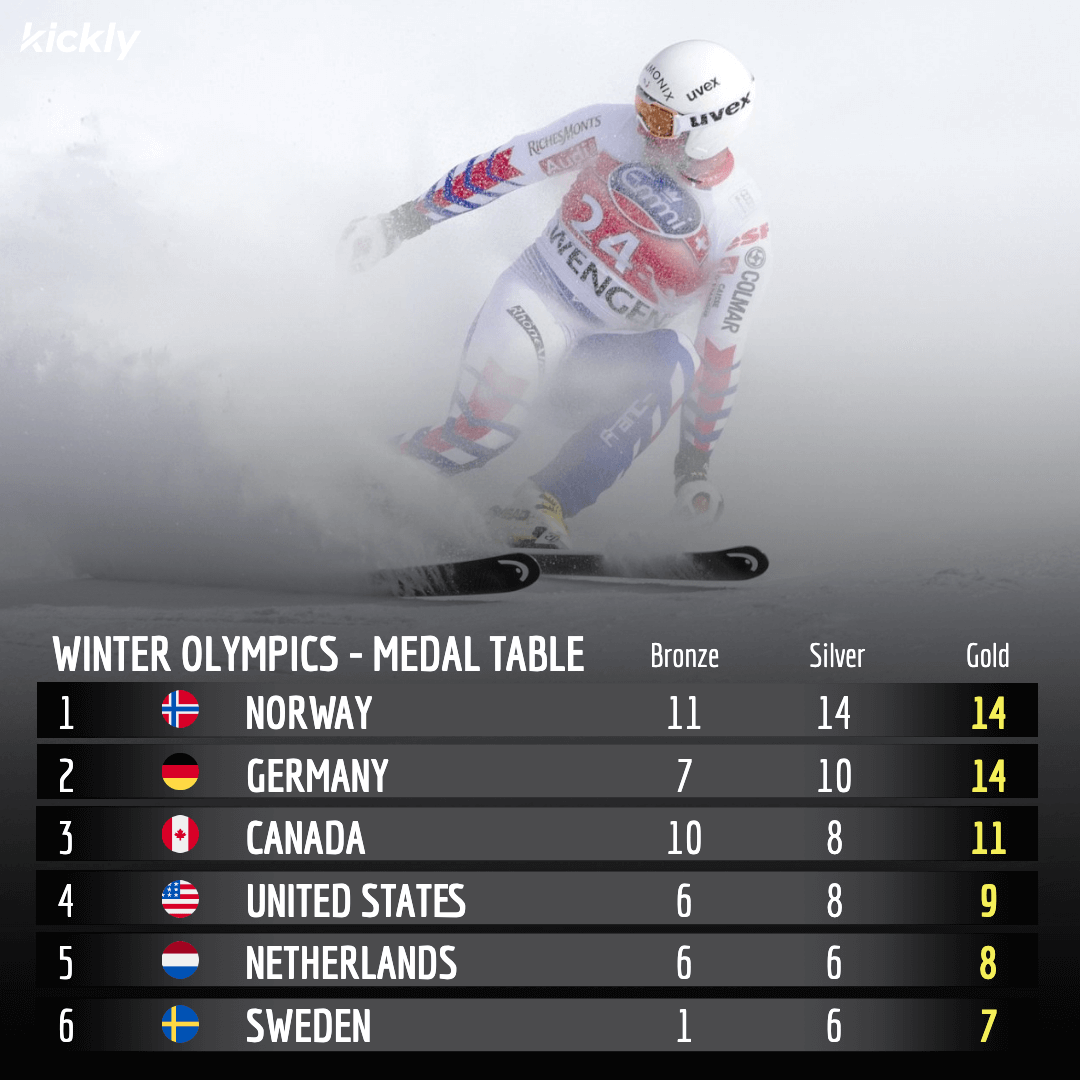
As of the latest updates, Norway leads the medal table with a remarkable total of 15 medals, including an impressive 7 golds. This performance reaffirms Norway’s historical prowess in winter sports, especially in disciplines like cross-country skiing and biathlon. Following closely is Germany, which has claimed 10 medals, highlighted by their strong showing in sliding sports such as luge and skeleton.
Canada and the United States also feature prominently on the medal table. Canada has displayed exceptional skill in ice hockey and figure skating, while the United States boasts notable achievements in snowboarding and alpine skiing. As the Games progress, the competition intensifies, further shaping the standings and showcasing the athletes’ drive to succeed.
Impact of the Medal Table
The medal table not only reflects the athletic achievements of nations but also influences national pride and investment in sports development. Countries that perform well often see increased interest in winter sports among young athletes, leading to better training facilities and programmes. Moreover, international rivalries, such as the historic competition between the US and Russia, often reignite during the Winter Olympics, adding depth to the narrative surrounding the medal count.
Conclusion
As we approach the culmination of the 2022 Winter Olympics, the medal table will serve as an important indicator of not only athletic excellence but also the broader cultural and sporting impact on participating nations. With several events still to come, it remains to be seen how the standings will shift, promising a thrilling conclusion to this year’s Games. For fans, analysts, and athletes, the performance of countries reflected in the medal table will be a point of discussion for years to come, shaping the landscape of winter sports worldwide.