Introduction
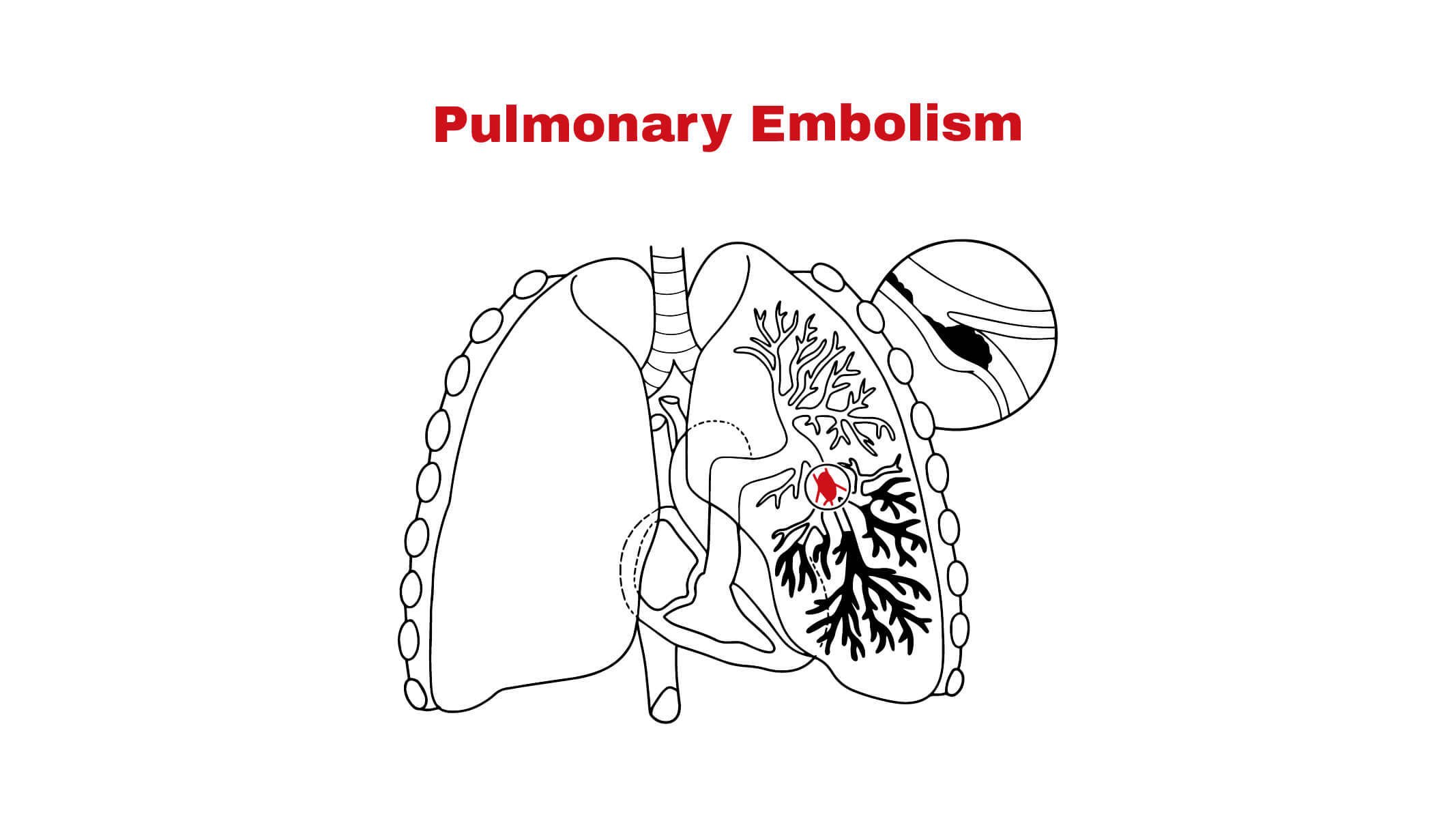
Pulmonary embolism (PE) is a serious and potentially life-threatening condition caused by blood clots blocking blood vessels in the lungs. It is crucial to understand the significance of early detection and treatment as it can lead to severe complications, including death. The urgency surrounding pulmonary embolism arises from its fast onset and the substantial risk factors that contribute to its development, especially in the wake of recent studies highlighting increasing rates post-pandemic.
What Causes Pulmonary Embolism?
The majority of pulmonary embolisms originate from deep vein thrombosis (DVT), where clots form in the deep veins of the legs and travel to the lungs. Other contributing factors include prolonged immobility, certain medical conditions (such as cancer or heart failure), and lifestyle factors (such as smoking and obesity). Recent reports suggest that COVID-19 can increase the likelihood of developing blood clots, further complicating the scenario.
Symptoms to Watch For
Symptoms of pulmonary embolism can vary but commonly include sudden shortness of breath, sharp chest pain, rapid heart rate, and coughing up blood. Some individuals may experience subtle symptoms that can be mistaken for other conditions, leading to delays in diagnosis. Understanding these symptoms is essential for timely medical intervention.
Diagnosis and Treatment Options
Diagnosing pulmonary embolism typically involves imaging tests like CT pulmonary angiography and blood tests that check for markers of clotting. Treatment may include anticoagulants to prevent further clotting, thrombolytics to dissolve clots, and in severe cases, surgical interventions like embolectomy may be necessary. Immediate treatment is vital to improve outcomes and lower mortality rates.
Conclusion
As the world continues to cope with the aftermath of the COVID-19 pandemic, awareness and education about conditions like pulmonary embolism becomes increasingly important. The significant increase in cases warrants an emphasis on preventive measures, recognition of symptoms, and swift medical attention. For healthcare providers and patients alike, understanding pulmonary embolism is essential to reduce risks and enhance the chances of successful recovery. Regular check-ups, maintaining a healthy lifestyle, and staying informed can help mitigate risk factors associated with this potentially fatal condition.