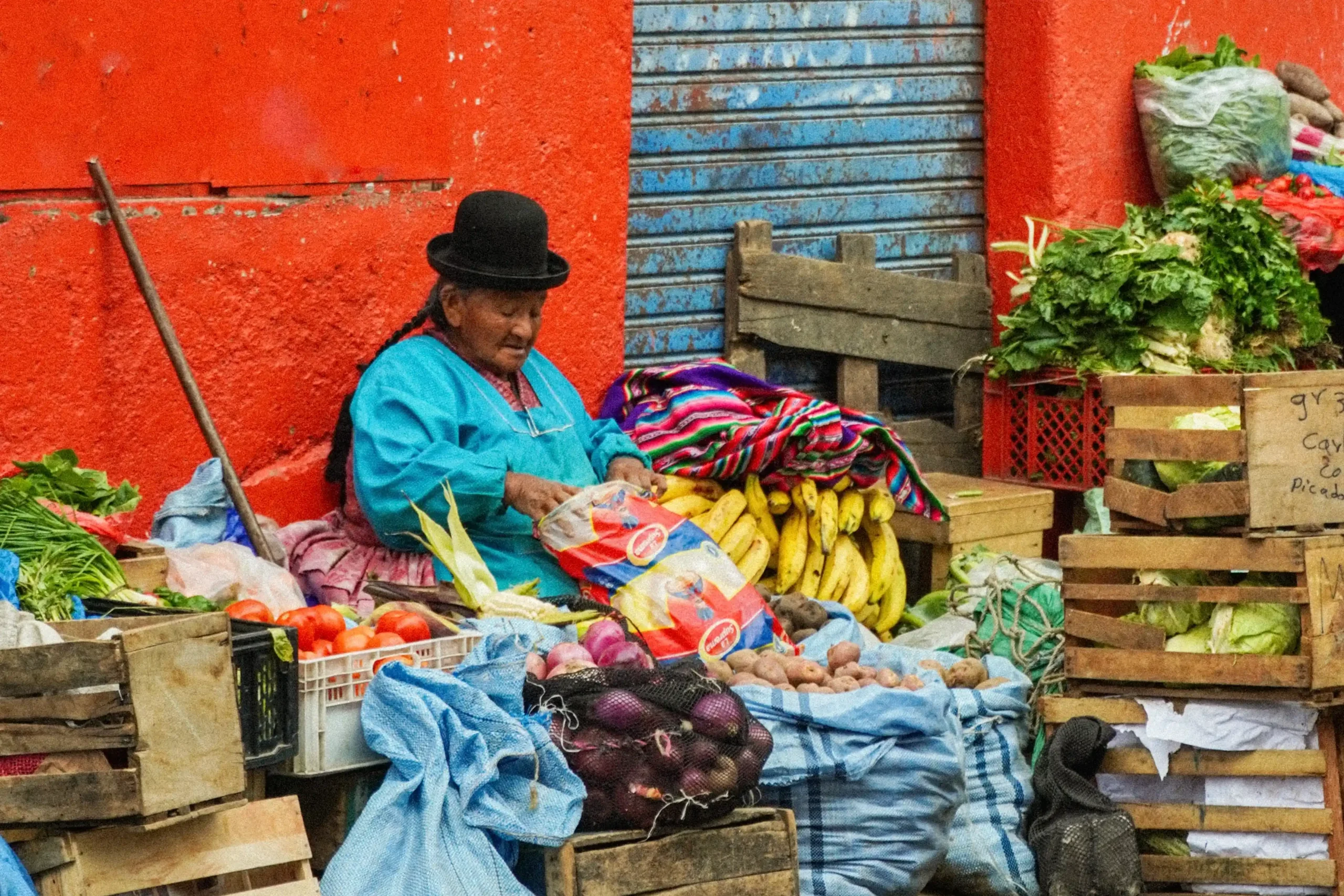
Introduction: The Importance of Bolivia Today
Bolivia, a landlocked country in the heart of South America, is known for its rich indigenous history, stunning landscapes, and diverse cultures. Recent developments in Bolivia, particularly in politics and economic reforms, have garnered international attention, prompting discussions on the country’s trajectory. Understanding these events is crucial not only for Bolivians but also for global observers as the region’s stability can impact trade, natural resource management, and geopolitical relations.
Political Landscape
As of late 2023, Bolivia continues to navigate a complex political landscape. The government led by President Luis Arce has faced challenges related to protests over economic issues and discontent over the handling of natural resources. Recently, the opposition intensified their calls for reform as they accused the government of failing to manage inflation, which has been exacerbated by global supply issues. Public demonstrations have been reported in major cities, demanding governmental accountability and transparency.
Economic Developments
Economically, Bolivia is rich in natural gas and lithium, pivotal in the global transition towards renewable energy. The Arce administration has introduced new policies aimed at boosting the extraction and exportation of lithium. These moves align with the growing demand for lithium batteries worldwide, particularly as countries strive to achieve net-zero emissions. The Bolivian government is promoting foreign investments to enhance the sector, ensuring its role in the global supply chain.
Social Challenges
Bolivia’s social climate is also marked by significant challenges, particularly regarding indigenous rights and environmental concerns. Activists have been raising alarms over the environmental impact of lithium mining and its effects on local communities. These concerns underline the fine balance Bolivia must strike between fostering economic growth and protecting its ecological heritage and social rights. Dialogue among government, industry, and civil society is crucial in addressing these issues holistically.
Conclusion: The Path Forward for Bolivia
In conclusion, Bolivia stands at a crossroads as it grapples with its political stability, economic development, and social equity. The ongoing public discourse and demonstrations reflect the urgency for a governance model that prioritises accountability and inclusivity. Observers anticipate that how these situations unfold will be vital for Bolivia’s future, potentially serving as a blueprint for other nations grappling with similar challenges. The international community will be watching closely, as the outcomes in Bolivia may influence regional dynamics in South America.