Introduction to Macedonia
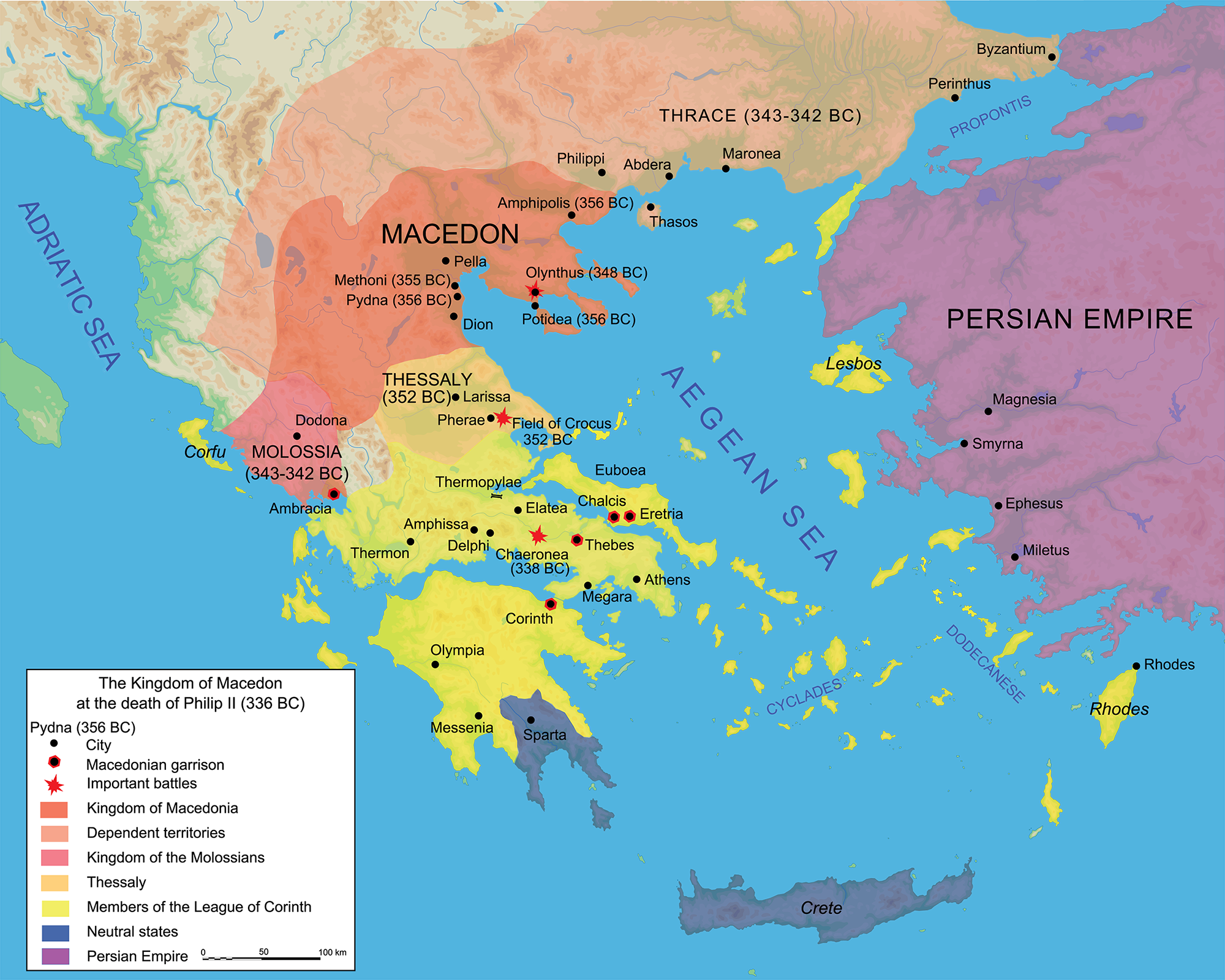
Macedonia, a region in Southeast Europe, has a significant place in history due to its rich cultural heritage and strategic location. It is often associated with the ancient kingdom of Macedon, which was ruled by figures like Alexander the Great. Today, the term ‘Macedonia’ can refer to the North Macedonian state officially known as North Macedonia, as well as to a broader geographical and cultural region that spans across Greece, Bulgaria, and Serbia.
Historical Background
The history of Macedonia is marked by its early civilization, dating back to antiquity. The kingdom of Macedon emerged in the 7th century BC and rose to prominence under King Philip II and his son, Alexander the Great. Their conquests spread Greek culture throughout the known world, leaving a lasting legacy. The region has since experienced various influences, including Byzantine, Ottoman, and Yugoslav, contributing to its diverse cultural fabric.
Contemporary Macedonia
In recent years, North Macedonia has been in the news due to its contentious naming dispute with Greece, which was resolved in 2018 when the country was officially renamed from the former Yugoslav Republic of Macedonia (FYROM) to North Macedonia. This agreement aimed to facilitate the country’s accession to NATO and the European Union, reflecting its aspirations for integration into broader European frameworks.
Cultural Significance
The cultural landscape of Macedonia is vibrant, featuring a blend of traditions, music, and arts. The annual Ohrid Summer Festival is a highlight, drawing performers and audiences from across the globe. The UNESCO World Heritage sites, such as the ancient city of Ohrid and the Church of St. John at Kaneo, showcase the region’s historical and artistic significance. Additionally, Macedonia is known for its traditional cuisines, such as Tavče Gravče, which reflect the agricultural heritage of the area.
Conclusion
Macedonia stands as a testament to the intertwined narratives of history, culture, and identity in the Balkans. While facing modern challenges, including economic development and political stability, it remains a region of immense historical significance and cultural richness. As North Macedonia continues to navigate its path towards European integration, the preservation and celebration of its heritage will be vital for both its citizens and for attracting tourism. The story of Macedonia is one of resilience and diverse cultural interplay, making it a subject of ongoing interest for historians, travellers, and cultural enthusiasts alike.