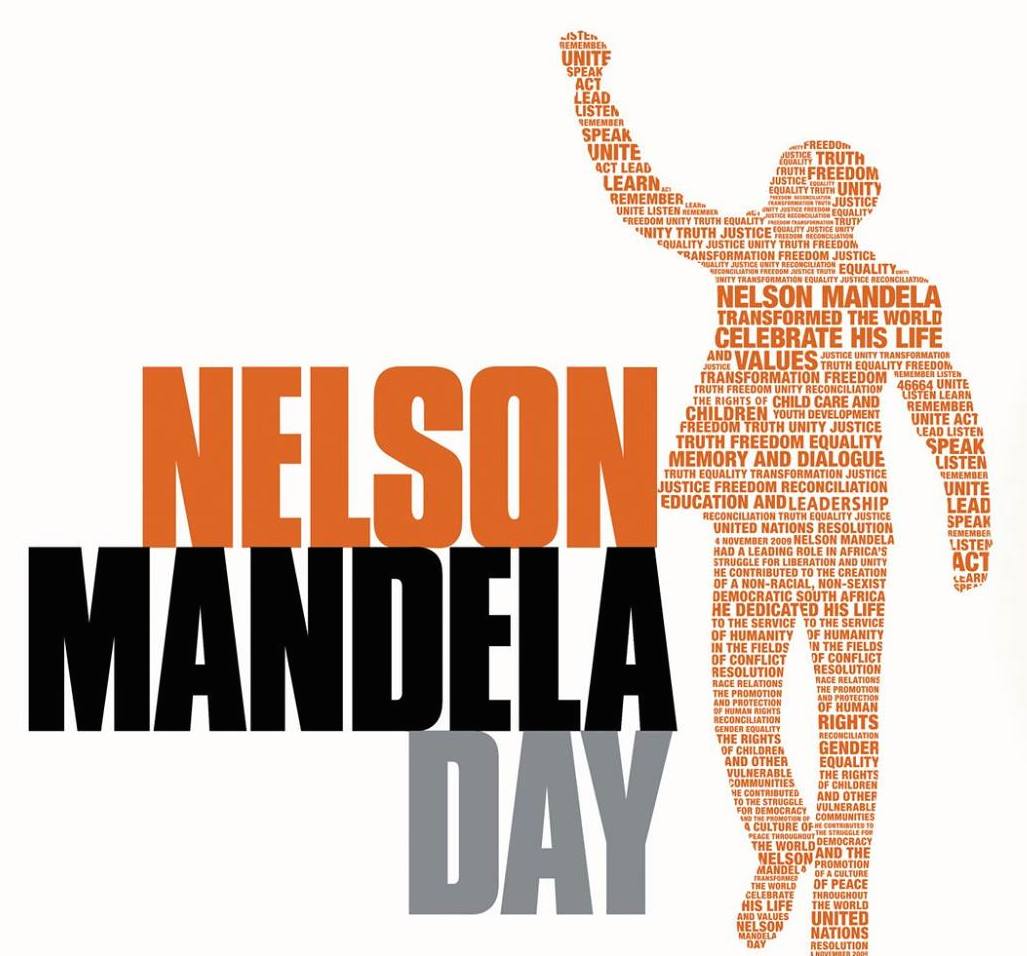
Introduction
Nelson Mandela remains a towering figure in the global fight for equality and justice. His life and legacy continue to inspire millions around the world, serving as a reminder of the power of resilience and leadership in the face of oppression. The lessons from Mandela’s journey are increasingly relevant today as societies grapple with issues of inequality and human rights violations.
Mandela’s Early Life and Activism
Born on July 18, 1918, in the village of Mvezo in South Africa, Nelson Mandela was exposed to the struggles of his people from a young age. He studied law at the University of Fort Hare and later at the University of Witwatersrand, where he joined the African National Congress (ANC) in 1944. Mandela quickly became involved in campaigns against racial discrimination, advocating for civil rights and equality.
Imprisonment and International Support
In 1962, Mandela was arrested and sentenced to life in prison for his anti-apartheid activities. His imprisonment was a catalyst for global movements advocating for his release, leading to widespread condemnation of apartheid. International protests and sanctions increased pressure on the South African government, with Mandela becoming a symbol of resistance and hope for millions worldwide.
The End of Apartheid and Presidency
After 27 years, Mandela was finally released in 1990 as apartheid began to crumble. His leadership during the transition was crucial; he advocated for reconciliation and negotiation rather than revenge. In 1994, Mandela became South Africa’s first Black president in the first democratic elections, emphasizing nation-building and equality. His administration focused on healing the deep divides in the country, promoting peace and human rights.
Legacy and Continued Relevance
Nelson Mandela passed away on December 5, 2013, but his legacy is far from forgotten. He is remembered not only for his fight against apartheid but also for his commitment to peace, education, and humanitarianism. His life encourages ongoing dialogues about justice and activism, underscoring the need for continued efforts against social injustices worldwide.
Conclusion
The significance of Nelson Mandela’s life is enduring, serving as a beacon of hope and a reminder of the potential for change through non-violent struggle. As new generations continue to face challenges related to inequality and injustice, Mandela’s teachings and accomplishments remain deeply relevant. His story encourages individuals to stand up for what is right and inspires a collective movement towards a more equitable world.