Introduction
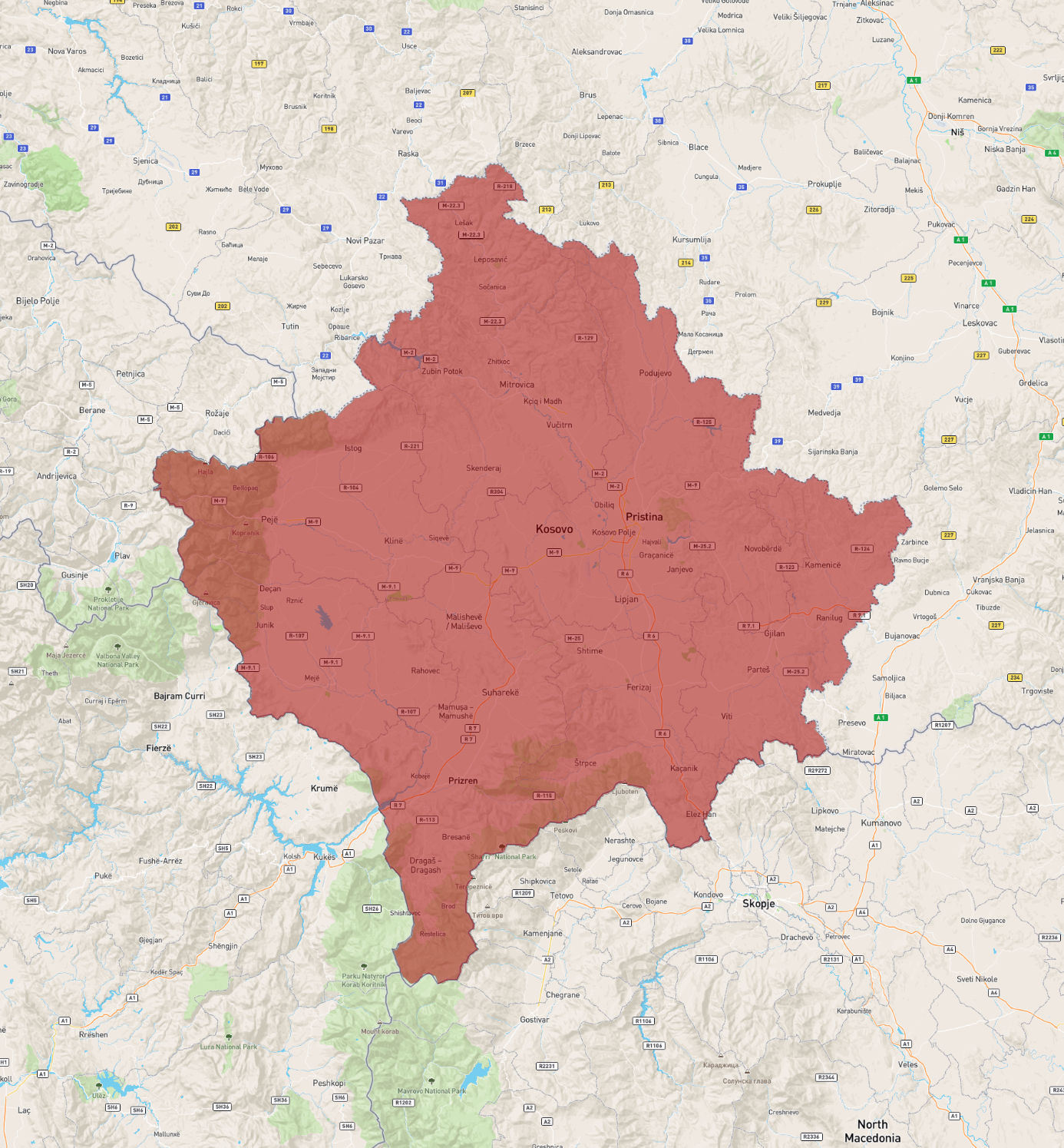
Kosovo, a small landlocked country in Southeast Europe, has been in the spotlight for its ongoing political and social developments. The significance of Kosovo extends beyond its borders, impacting regional stability and international relations, especially within the framework of the European Union and NATO. As the world grapples with geopolitical tensions, understanding Kosovo’s situation is crucial for anyone interested in Balkan politics.
Recent Events
In 2023, Kosovo has faced both challenges and opportunities. The ongoing dialogue between Kosovo and Serbia remains a focal point, with negotiations aimed at normalising relations, which have been strained since Kosovo declared independence from Serbia in 2008. A key event in October 2023 was the EU-mediated talks in Brussels, where representatives from both nations aimed to address issues including economic cooperation and the rights of ethnic minorities.
Protests erupted in northern Kosovo in response to the government’s implementation of new regulations, which some locals perceived as discriminatory. Tension flared as some Serbian communities in the region boycotted local elections, further complicating the political landscape. The international community, particularly the EU and the U.S., have urged both parties to engage in constructive dialogue to avoid escalation of tensions.
International Involvement
International support for Kosovo remains a double-edged sword. While many countries, including the UK and the USA, have recognised Kosovo’s independence, others, particularly Russia and China, continue to support Serbia’s claims over the territory. This geopolitical divide influences international efforts towards peace and stability in the region. Furthermore, NATO’s presence through KFOR (Kosovo Force) continues to provide a stabilising influence, assisting in maintaining peace in the ethnically diverse region.
Conclusion
The situation in Kosovo is fluid and complex, necessitating close attention from both regional observers and international actors. The international community plays a vital role in fostering dialogue and reconciliation between Kosovo and Serbia. The ongoing negotiations will likely shape not just the future of Kosovo but also the broader dynamics within the Balkans. As we move forward, the hope remains that Kosovo can navigate its path towards strengthened sovereignty and peaceful coexistence with its neighbours, paving the way for a stable and prosperous future.