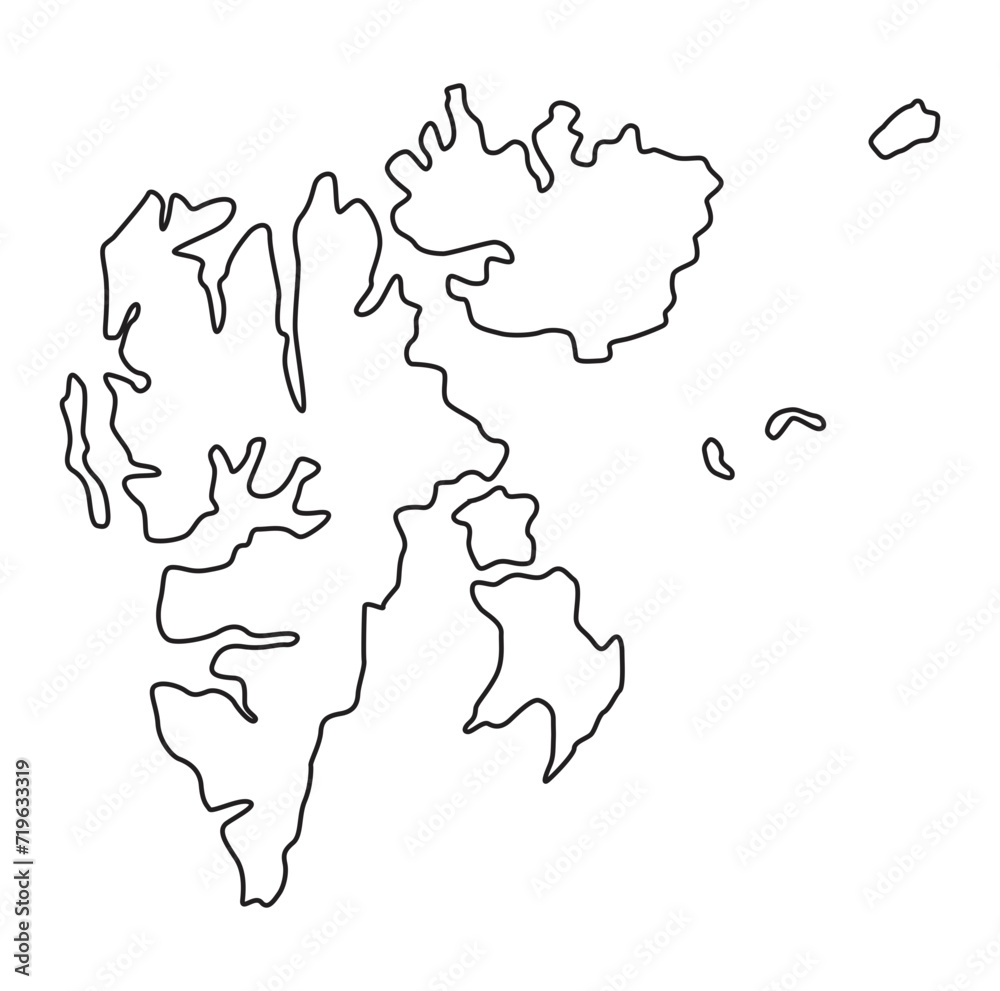
Introduction to Svalbard
Svalbard, an Arctic archipelago situated between mainland Norway and the North Pole, is a region of increasing significance in global discussions about climate change. The area’s unique biodiversity, stunning landscapes, and geopolitical impact make it a point of interest for scientists, tourists, and policymakers alike. As issues related to global warming intensify, Svalbard stands as both a bellwether and a spectacular destination.
Geography and Climate
Comprising several islands, the largest being Spitsbergen, Svalbard features a variety of terrains from glacial expanses to mountain ranges. The region’s polar climate is characterized by long, harsh winters and short, cool summers. Recent data indicates that temperatures in Svalbard are rising at an alarming rate—approximately 3 degrees Celsius since the 1970s—making it one of the fastest-warming areas in the Arctic. This rapid change poses threats to its fragile ecosystems, including polar bears, seals, and various seabird species.
Research and Conservation Efforts
Svalbard is not only a tourist hotspot but also an important site for scientific research on climate change. The Svalbard Global Seed Vault, often referred to as the ‘Doomsday Vault,’ houses seeds from around the world as a safeguard against global crises. Conservationists and scientists are working tirelessly to monitor the impacts of climate change on local wildlife and ecosystems. Notably, the Norwegian government has introduced measures to protect important habitats, including establishing significant areas as nature reserves.
Tourism and Economic Impact
As a destination, Svalbard attracts thousands of tourists annually who seek adventure in its stark, pristine landscapes. Activities such as dog sledding, hiking, and glacier tours combine thrill with the chance to witness the effects of climate change first-hand. However, the influx of tourists has raised concerns about environmental sustainability, prompting local authorities to implement regulations aimed at protecting the delicate environment.
Conclusion: Svalbard’s Future
The significance of Svalbard lies in its dual role as a unique natural environment and a critical indicator of broader climatic trends. As the region continues to grapple with the consequences of climate change, it remains essential for the international community to focus on sustainable practices that protect both Svalbard’s rich biodiversity and its climate data. For readers, Svalbard represents not only an extraordinary travel experience but also a crucial focal point for understanding and addressing global climate issues.