Introduction
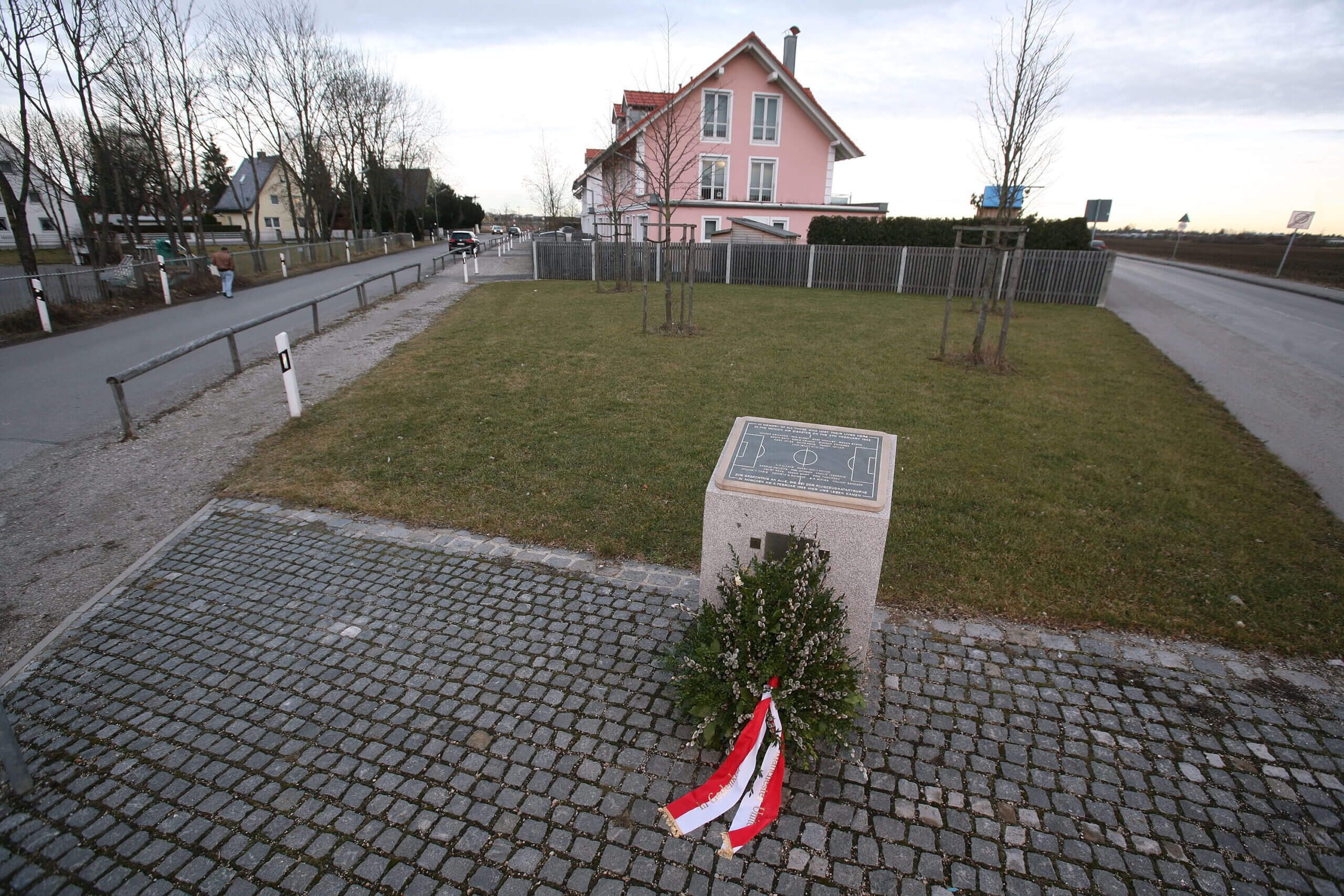
The Munich Disaster remains one of the most tragic events in the history of football. On February 6, 1958, eight players from Manchester United lost their lives in a plane crash after returning from a European Cup match in Belgrade. This event not only changed the landscape of football in England but also left an indelible mark on the hearts of fans worldwide. Understanding the Munich Disaster is crucial as it highlights the fragility of life, the resilience of a community, and the long-lasting impacts of grief and loss.
The Events Leading Up to the Disaster
Manchester United, then managed by the legendary Matt Busby, was seen as one of the most promising teams in Europe. After successfully competing in the European Cup, their return journey from a match against Red Star Belgrade took a devastating turn. The chartered plane, a British European Airways aircraft, made two unsuccessful attempts to take off from Munich-Riem Airport, and on the third attempt, the aircraft crashed during take-off due to ice on the runway.
Casualties and Immediate Aftermath
The crash claimed the lives of 23 people, including eight Manchester United players: Geoff Bent, Roger Byrne, Eddie Colman, Duncan Edwards, Mark Jones, David Pegg, Tommy Taylor, and Billy Whelan. Survivors included manager Matt Busby and several other players, which led to an outpouring of grief and support from fans worldwide. The tragedy not only shattered the Manchester United team but also impacted the entire football community, leading to an increased focus on airline safety and sporting regulations.
Long-Term Effects on Football
In the aftermath of the Munich Disaster, Manchester United faced a monumental rebuilding process. The club’s resilience was showcased as they slowly began to recover with the help of new talents and the re-emergence of Busby as a leader. Within a few years, they won their first league title post-disaster and eventually the European Cup in 1968, making their victory dedicated to the memory of those who perished in Munich.
Conclusion
The Munich Disaster serves as a poignant reminder of the intersection between sports and tragedy. Today, memorials and tributes ensure that the legacy of those lost is never forgotten. The event continues to provoke discussions on safety in sports travel and serves as an enduring lesson in resilience and remembrance. As we honour the memory of the victims, the football community’s unity in addressing challenges remains ever significant, ensuring that such a tragedy is never repeated.