Introduction
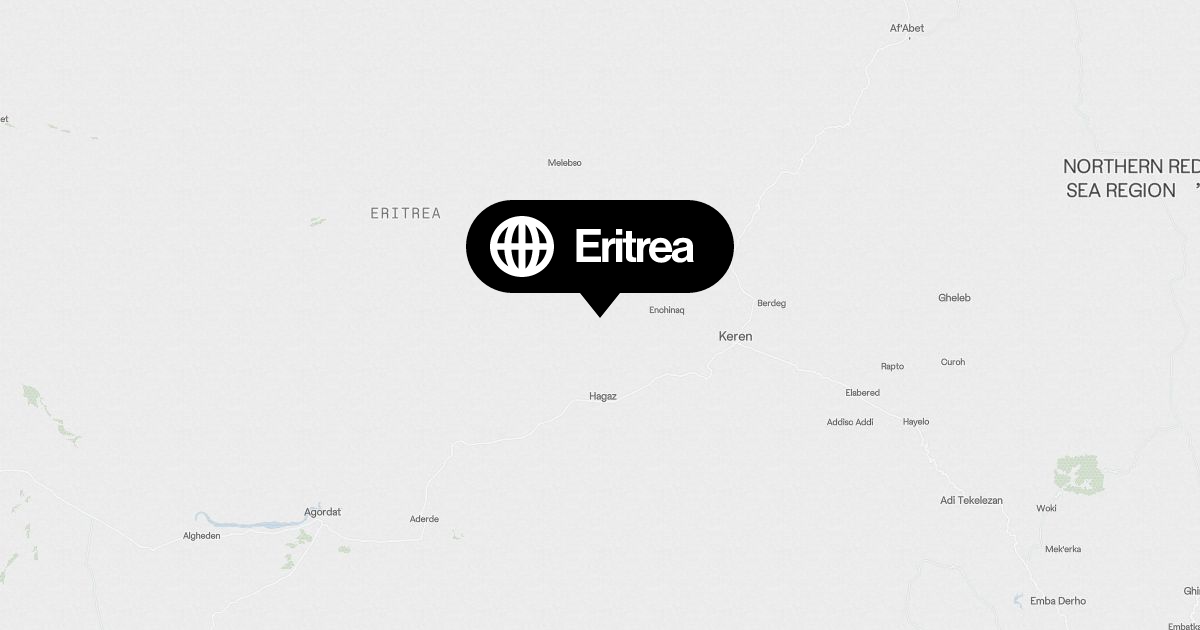
Eritrea, a nation located in the Horn of Africa, is an area rich in history and culture, yet often overlooked on the global stage. With its coastline along the Red Sea and diverse ethnic groups, it serves as a significant geographical and cultural bridge between Africa and the Middle East. The country has garnered attention in recent years due to its complex political landscape and human rights issues, making it a crucial topic of discussion.
Historical Context
Eritrea’s history is marked by centuries of conflict and colonization. It was annexed by Ethiopia in 1962, which ignited a 30-year struggle for independence. Eritrea finally gained independence in 1993 after a long and bloody war, and the nation was founded under the leadership of President Isaias Afwerki. However, the hope that accompanied independence has been overshadowed by ongoing tensions with Ethiopia and the government’s authoritarian rule.
Current Political Climate
As of 2023, Eritrea continues to face significant political challenges. The government has been widely criticized for its human rights record, including restrictions on freedom of expression and assembly. The national service requirement, originally set for 18 months, has persisted for many citizens for over a decade, leading to accusations of state-sponsored forced labour. International bodies and human rights organisations reportedly continue to express concern over these practices.
Impact of Regional Relations
The relationship between Eritrea and neighbouring Ethiopia has been historically fraught, with border conflicts simmering since their independence. However, in recent developments, there have been attempts at reconciliation since a peace agreement was signed in 2018. This agreement aimed to normalise relations, which has sparked hopes for stability and economic cooperation in the region. The ongoing monitoring of these relations will be crucial in understanding Eritrea’s future trajectory.
Conclusion
Eritrea stands at a crossroads of potential change and ongoing challenges. As the government maintains tight control over its populace, the quest for reforms remains a crucial aspect for both the citizens and international observers. Understanding Eritrea’s unique historical and cultural context is essential for anticipating its future developments on the global stage. With regional tensions slowly alleviating, the focus on human rights and governance will likely dictate the path ahead for this resilient nation.