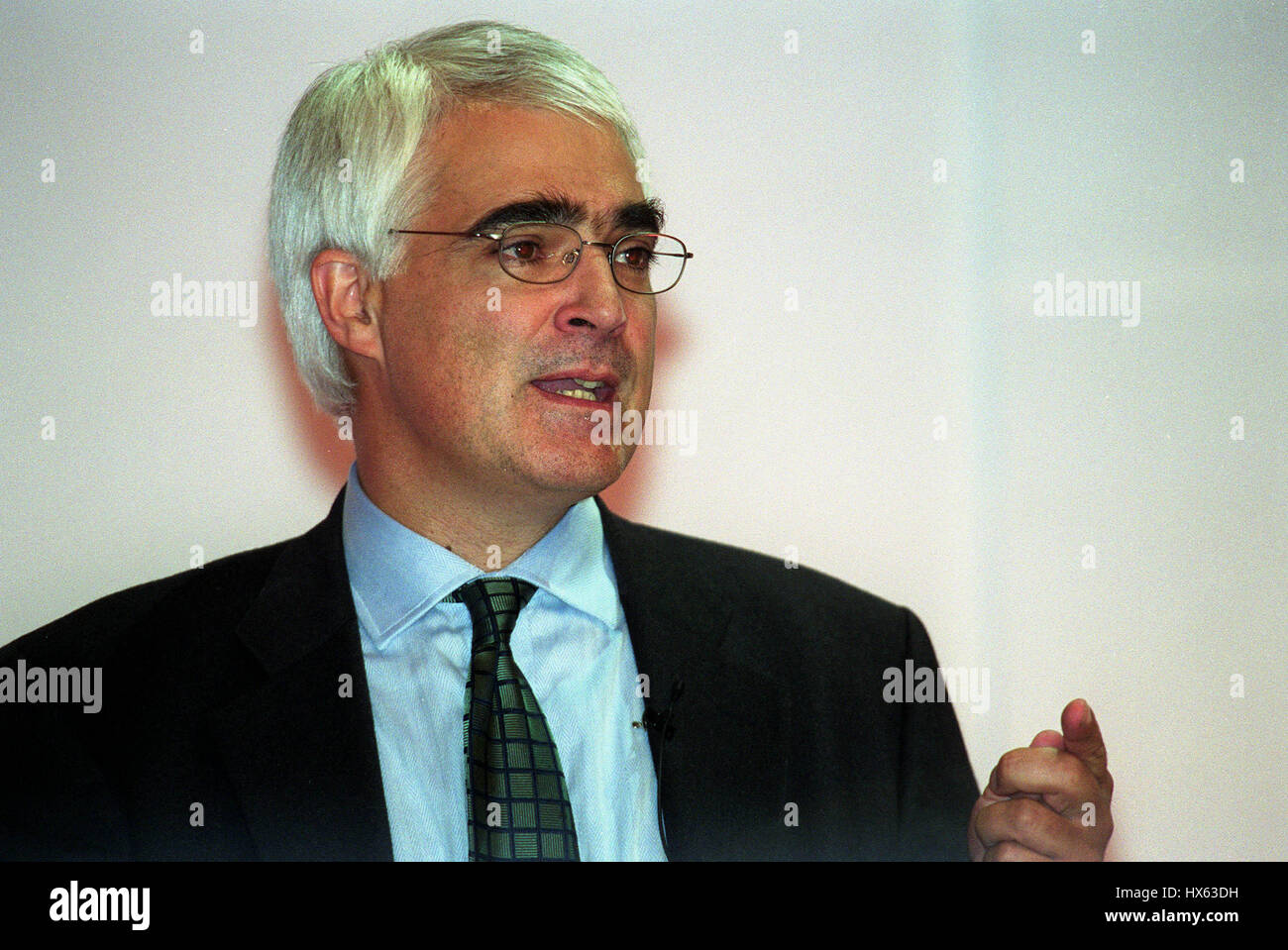
Introduction to Question Time
Question Time is a pivotal feature of the UK Parliament that plays a crucial role in shaping government accountability and transparency. It allows Members of Parliament (MPs) to question government ministers, helping to ensure that they are held responsible for their actions and decisions. This practice not only enhances democracy but also engages the public in the political process by making key issues accessible and understandable.
Structure and Schedule
Question Time occurs in both the House of Commons and the House of Lords, with sessions typically scheduled on specific days. In the House of Commons, Prime Minister’s Questions (PMQs) is perhaps the most well-known segment, held every Wednesday when the Prime Minister faces questions from MPs, including the Leader of the Opposition, for a half-hour period. Other government ministers also have designated slots throughout the week, allowing MPs to question them on their respective portfolios.
Recent Developments and Significance
As of October 2023, Question Time remains a platform for heated debates and significant discussions regarding pressing national issues. For instance, recent sessions have focused on topics such as the ongoing cost-of-living crisis, healthcare reforms, and climate change policies. With the global landscape constantly evolving, questions during these sessions often reflect the public’s concerns and demand for clarity on government strategies.
The impact of Question Time extends beyond mere inquiry. The intensity and nature of the questioning can shed light on governmental effectiveness and public sentiment. Additionally, it serves as a crucial tool for opposition parties to challenge the ruling party and scrutinise its policies. This dynamic fosters a more robust parliamentary democracy, where diverse voices and opinions are represented.
Conclusion and Future Perspectives
In conclusion, Question Time is an essential mechanism within the UK Parliament, promoting accountability, transparency, and public engagement in governance. Looking ahead, as societal issues continue to emerge and evolve, the questions posed by MPs will likely become even more critical in shaping governmental responses. The ongoing evolution of parliamentary procedures and the introduction of reforms are anticipated to enhance the effectiveness of Question Time, ensuring it remains relevant in addressing the concerns of the electorate.