Introduction
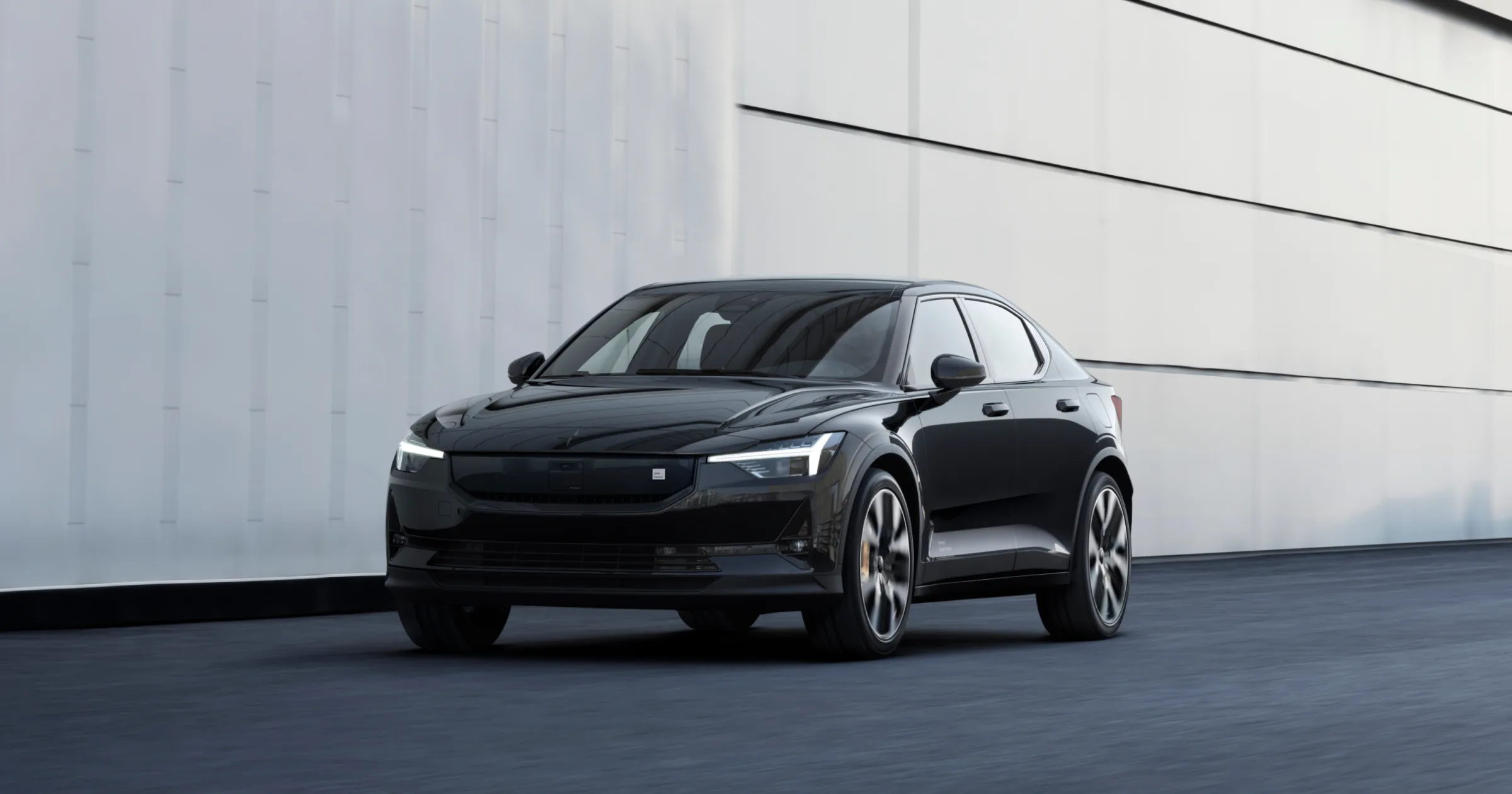
Polestar is rapidly emerging as a significant player in the electric vehicle (EV) market, focusing on high-performance electric cars that combine sustainability with cutting-edge technology. Founded in 2017 as a subsidiary of Volvo Cars and Geely, Polestar’s importance lies in its commitment to creating vehicles that not only offer thrilling performance but also align with global efforts to reduce carbon emissions. As the automotive industry pivots towards electrification, understanding Polestar’s role and innovations is crucial for consumers and industry observers alike.
Recent Developments and Models
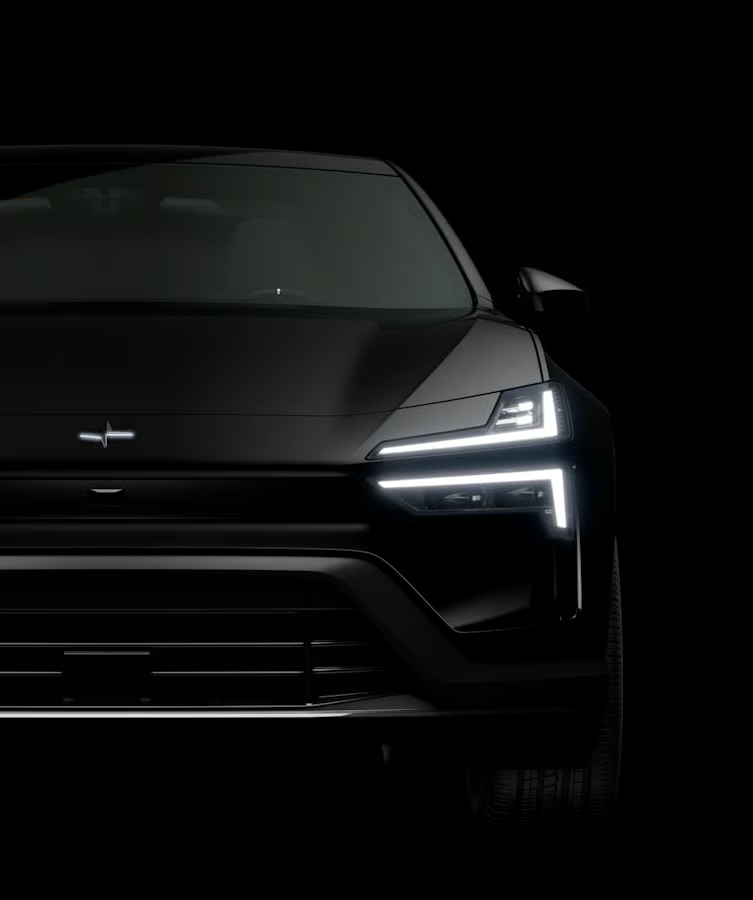
In recent months, Polestar has made headlines with the introduction of its latest model, the Polestar 3, an all-electric SUV that aims to redefine both luxury and performance. The Polestar 3 is packed with advanced technology, boasting features such as a comprehensive driver assistance system, state-of-the-art infotainment powered by Android, and a performance-oriented electric motor that delivers exceptional torque and acceleration.
Further enhancing its credibility, Polestar recently reported a significant increase in sales, with a surge of 80% year-on-year in 2023, as consumers show an increasing preference for sustainable transportation options. The company also announced plans to expand its manufacturing footprint, with new production facilities aimed at scaling operations to meet growing demand in North America and Europe.
Partnerships and Sustainability Efforts
Polestar is not just focusing on vehicle production; it is also committed to sustainability in its operations. The company has set ambitious targets to become climate-neutral by 2030. To achieve this, Polestar is investing in a transparent supply chain and utilizing recyclable materials in vehicle production. Partnerships with suppliers and other automotive companies are supporting these sustainability efforts. The Polestar 0 project aims to drive innovation in materials and manufacturing processes that eliminate emissions throughout the vehicle’s lifecycle.
Conclusion
As electric vehicles continue to gain traction and the demand for sustainable transport increases, Polestar stands out as a key player shaping the future of automotive technology. With its dedication to performance, innovation, and sustainability, Polestar is leading by example in the transition towards an electric future. Consumer response to the brand’s offerings and its ongoing efforts to achieve climate neutrality could significantly influence the wider automotive sector’s shift towards electrification. For readers, understanding Polestar’s advancements provides insight into the evolving landscape of electric vehicles and the importance of sustainability in future automotive innovations.