Introduction
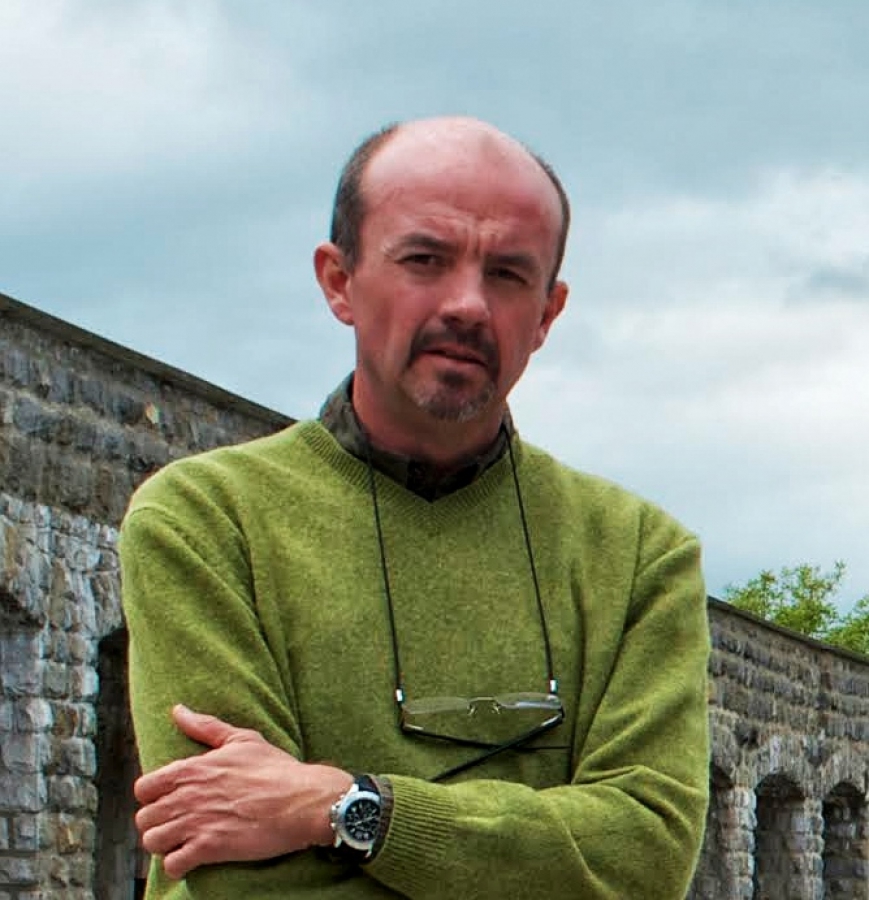
Carlos Hernández de Miguel is a distinguished individual known for his impactful work in the realm of environmental science and sustainability. As global concerns regarding climate change and ecological degradation heighten, figures like Hernández de Miguel become vital in shaping policies and initiatives that foster a healthier planet. His contributions resonate not only within academic circles but also across broader societal landscapes, making his work relevant to anyone interested in the future of our environment.
Background and Accomplishments
Carlos Hernández de Miguel has made substantial strides in promoting sustainable practices across various sectors. Originally from Spain, his academic journey in environmental science culminated in significant research that has influenced policy reforms and corporate practices related to sustainability. His ability to bridge the gap between environmental science and practical application has earned him recognition among peers and institutions worldwide.
In recent years, Hernández de Miguel has been involved in several high-profile projects aimed at reducing carbon footprints and advocating for renewable energy sources. For instance, his collaboration with international organisations has led to the development of programmes that educate communities about sustainable agriculture and waste management. Moreover, his role in various conferences and panels highlights his commitment to dialogue and collaboration in addressing global environmental issues.
Recent Developments and Impact
The work of Carlos Hernández de Miguel took on renewed significance during the COVID-19 pandemic, when discussions around sustainability gained momentum amid economic recovery plans. In 2023, he participated in discussions at the United Nations Climate Change Conference (COP28), advocating for stronger commitments from nations to reduce emissions and invest in green technology. His insights were pivotal in shaping discussions on equitable climate action and the importance of engaging local communities in sustainability efforts.
Conclusion
The contributions of Carlos Hernández de Miguel extend far beyond academia; they have a tangible impact on the ongoing quest for environmental stability. As nations grapple with the effects of climate change, figures like Hernández de Miguel are essential in fostering a comprehensive understanding of sustainability challenges and solutions. Looking forward, his continued role as an educator and advocate will likely influence policies and inspire future generations to prioritise ecological preservation. In addition, his emphasis on inclusivity in environmental initiatives highlights the crucial need for diverse perspectives in tackling global challenges, making a significant impact for readers and policymakers alike.