Introduction
In recent weeks, environmental agencies in the UK have issued a critical wet wipes warning, drawing attention to the significant dangers these seemingly harmless household products pose to the environment. As the use of wet wipes continues to grow, so does the volume of waste they contribute to landfills and waterways, making this topic more relevant than ever.
Understanding the Issue
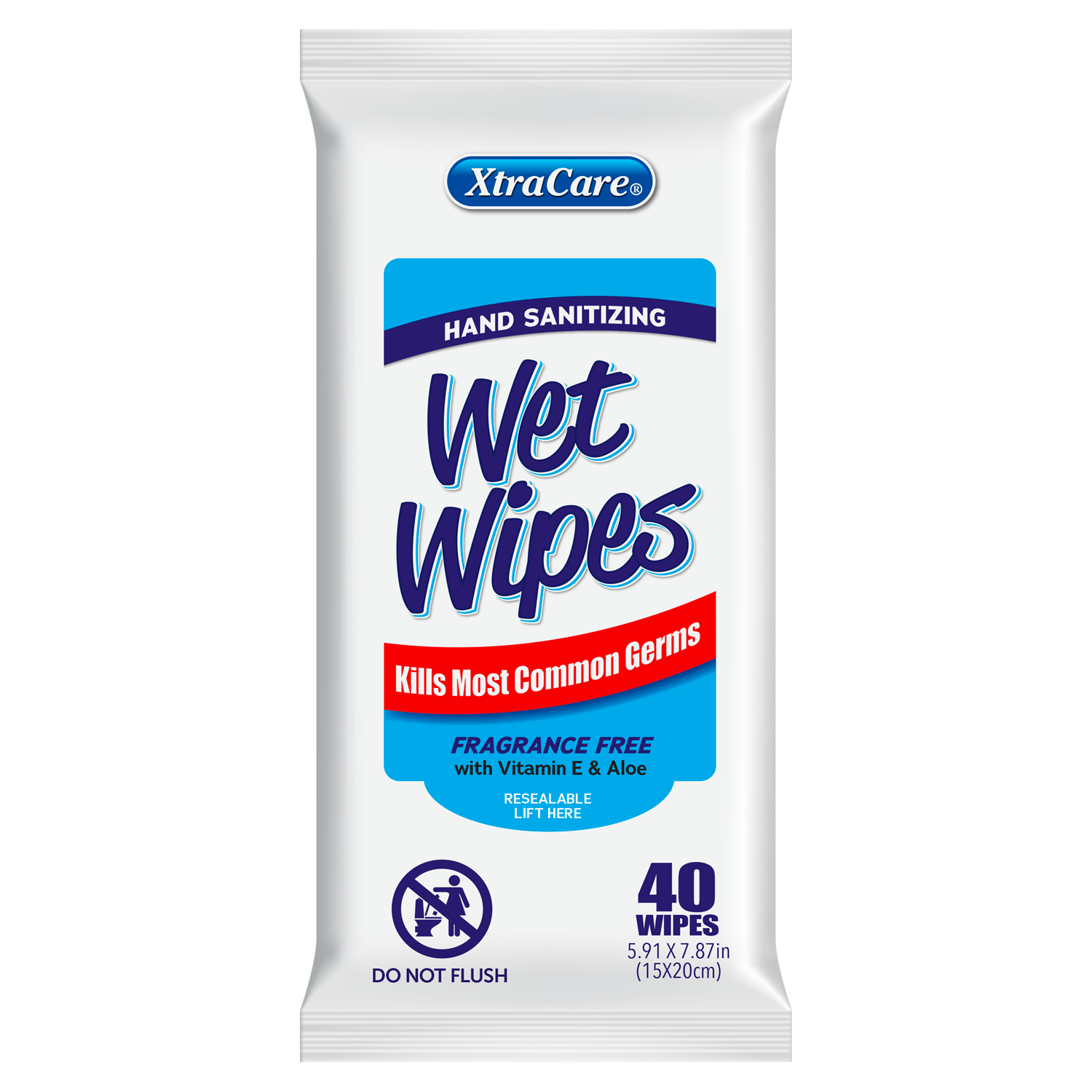
Wet wipes, which are often marketed as convenient cleaning tools, are made from plastic materials that do not break down easily in the environment. A report by the Marine Conservation Society has found that wet wipes make up a considerable portion of marine litter, leading to dire consequences for wildlife and ecosystems. In fact, the organisation reported that thousands of wipes are found on British beaches each year, highlighting the extent of the problem.
In October 2023, the Environment Agency launched a campaign to raise awareness and urge manufacturers to switch to biodegradable materials. This initiative comes in response to growing public concern regarding plastic pollution and its effects on marine life. The warning also emphasises that despite being marketed as flushable, many wet wipes do not degrade in sewage systems, leading to costly blockages and treatment challenges for water companies.
Recent Developments
In light of these findings, several municipalities have begun to investigate stricter regulations on the production and disposal of wet wipes. In a landmark move, the Welsh government announced plans to ban plastic-containing wet wipes altogether, aiming to encourage the use of safer alternatives. This policy change reflects a broader commitment to tackling plastic pollution across the UK.
Moreover, consumer advocacy groups are pushing for more transparent labelling, stating that manufacturers should clearly indicate whether their products are biodegradable and safe for the environment. This campaign has gained traction on social media, with hashtags like #WipeOutWaste trending among eco-conscious consumers advocating for change.
Conclusion
The wet wipes warning serves as a wake-up call for both consumers and manufacturers alike. As awareness regarding environmental issues rises, it is crucial for individuals to reconsider their choices and opt for more sustainable cleaning products. The future of our ecosystems may depend on these small changes, making it imperative for stakeholders to collaborate in developing eco-friendly alternatives. As we move forward, continued advocacy and regulation around the use of wet wipes will play a significant role in reducing plastic pollution and protecting our natural habitats.