The Importance of Understanding Statins
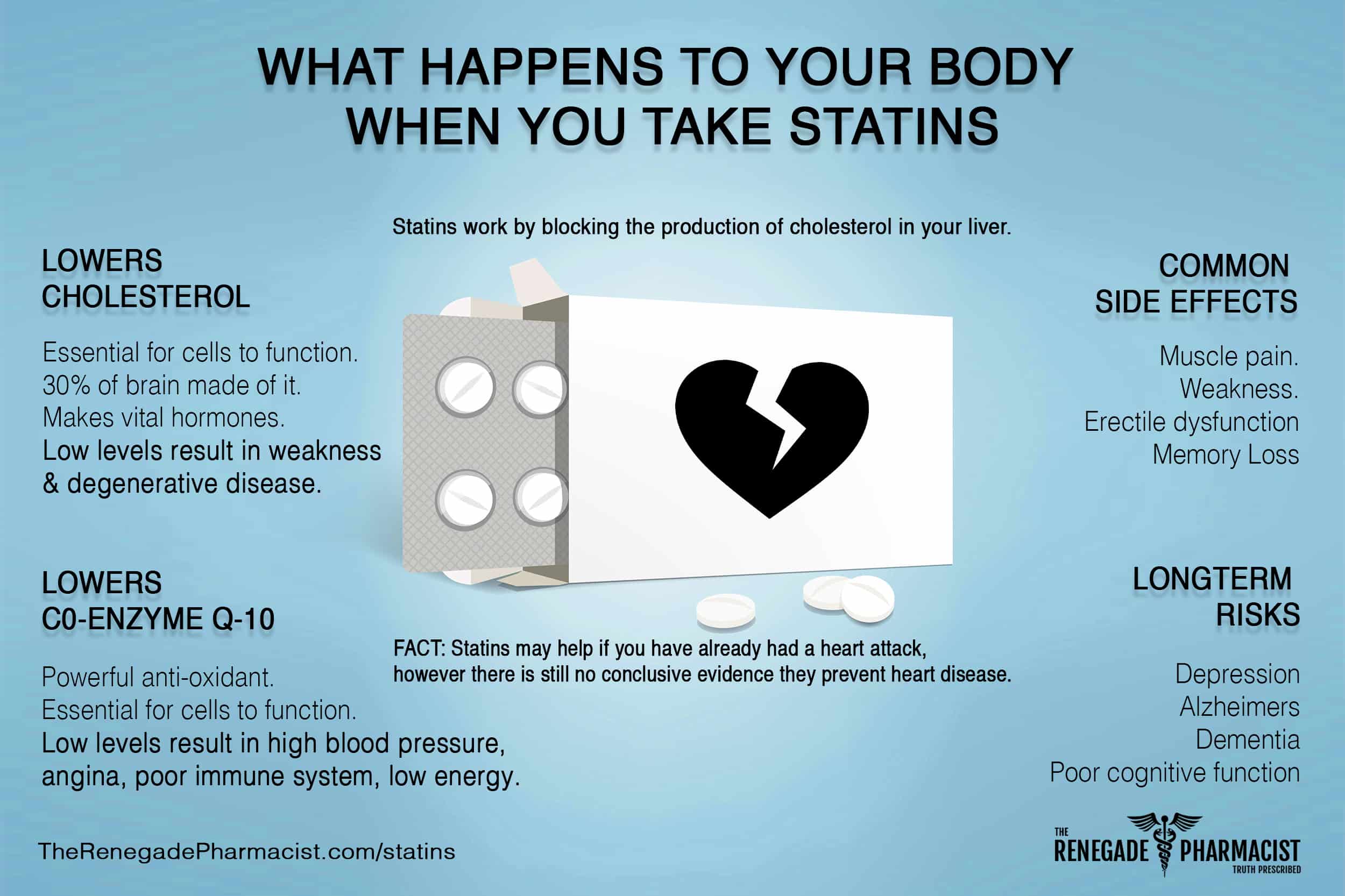
Statins are widely prescribed medications used to lower cholesterol levels and reduce the risk of heart disease. As millions of people rely on these drugs, understanding their potential side effects has become increasingly important. This knowledge is essential for patients to make informed choices about their health and manage any adverse reactions effectively.
Common Side Effects of Statins
While statins are generally well tolerated, they do come with a range of side effects. The most commonly reported issues include muscle pain or weakness, digestive problems such as nausea and abdominal pain, and increased blood sugar levels. A recent study published in the Journal of the American College of Cardiology suggests that around 10% of patients may experience muscle-related side effects, which can lead to discontinuation of the medication.
Serious Risks Associated with Statins
In rare cases, statins can lead to more severe complications, such as rhabdomyolysis, a condition characterized by the breakdown of muscle tissue that can result in kidney damage. Reports indicate that the incidence of rhabdomyolysis is low, occurring in approximately 0.1% of patients taking statins. Yet, healthcare professionals recommend regular monitoring of liver function and muscle symptoms in patients on long-term statin therapy to mitigate these risks.
Recent Findings and Patient Experiences
A recent survey conducted by the American Heart Association revealed that a significant number of patients are unaware of the potential side effects of statins. As many as 40% of respondents indicated that they had not discussed these risks with their healthcare providers. Educating patients about both the benefits and possible side effects of statins facilitates better adherence to treatment and allows for more strategic healthcare decisions.
Conclusion: Proceed with Caution
For those prescribed statins, the benefits usually outweigh the risks; however, awareness of side effects is crucial. Patients should engage in open dialogues with their doctors about any concerning symptoms and consider alternative treatments if necessary. Ongoing research into the safety profiles of statins and their effects on various populations continues to develop, providing a clearer picture for both patients and healthcare providers. As treatment guidelines evolve, informed decisions regarding cholesterol management will remain vital for public health.