Introduction
As the automotive industry shifts towards sustainability, Polestar has emerged as a prominent player in the electric vehicle (EV) market. Established as a performance brand of Volvo Cars, Polestar is dedicated to developing high-performance electric and hybrid vehicles. Its commitment to sustainability, innovative technology, and dynamic design makes it a vital contributor to the ongoing changes in the automotive sector.
Recent Developments
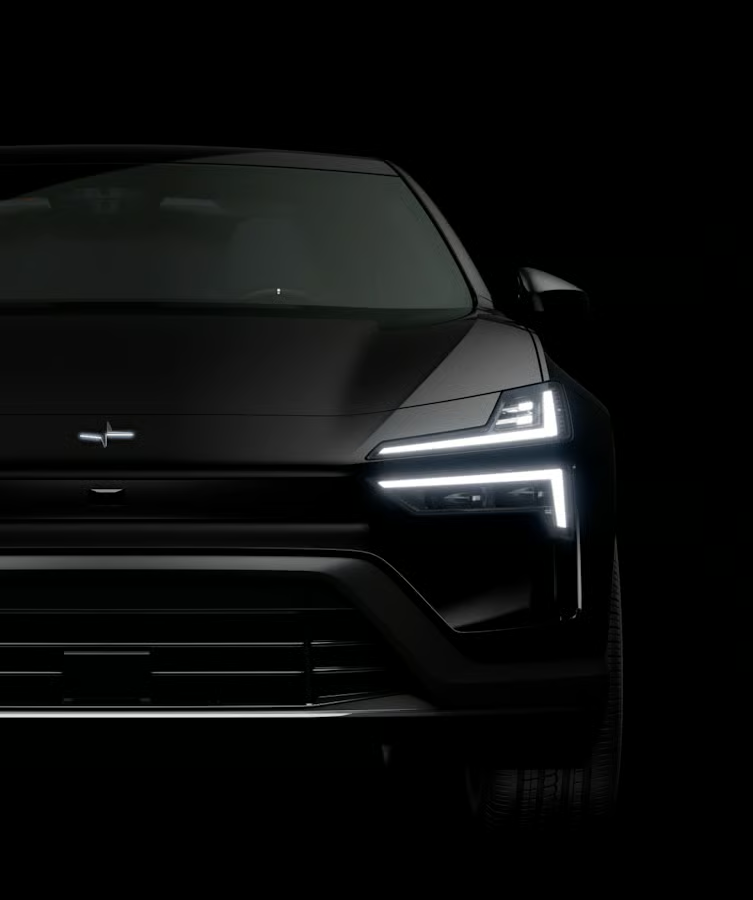
In late 2023, Polestar announced the launch of its latest model, the Polestar 3, which aims to compete with other luxury electric SUVs. Equipped with advanced features, including a dual-motor all-wheel drive system and a cutting-edge infotainment interface, the Polestar 3 is designed not only for performance but also for comfort and usability. The model highlights Polestar’s focus on sustainability, featuring a significant amount of recycled materials in its construction and a zero-emission manufacturing process.
Furthermore, Polestar has committed to becoming a climate-neutral company by 2030, with ambitious plans to reduce its carbon footprint throughout the product lifecycle. This commitment includes partnering with sustainable energy suppliers and investing in green production techniques. The company also focuses on transparency in its supply chains, ensuring that materials used in its vehicles are sourced responsibly.
Market Impact
Polestar’s approach has resonated with environmentally conscious consumers, positioning itself as a competitive alternative to legacy automakers venturing into electric mobility. To date, the company has successfully delivered over 30,000 vehicles globally, a notable achievement for a brand that is relatively new in the market. Recent partnerships with major retailers and technology companies have further bolstered its market presence. As EV infrastructure expands, Polestar is also heavily investing in charging solutions, facilitating a more accessible and user-friendly experience for its drivers.
Conclusion
Polestar’s commitment to sustainability and innovative design marks a significant step in the evolution of the automotive industry. As more consumers shift towards electric vehicles, Polestar’s practices may redefine the standards for performance and production in the EV sector. Looking ahead, Polestar aims to remain at the forefront of the electric revolution, appealing to a growing market of environmentally aware consumers while challenging competitors in both luxury and performance categories. With further advancements and releases on the horizon, Polestar is poised to shape the future of transportation.