“Iran wants to make a deal so badly,” stated former President Donald Trump, a remark that encapsulates the high-stakes negotiations and military posturing surrounding the ongoing conflict. As the 2026 Iran War unfolds, the geopolitical landscape of West Asia is being irrevocably altered, with each side digging in for a prolonged confrontation.
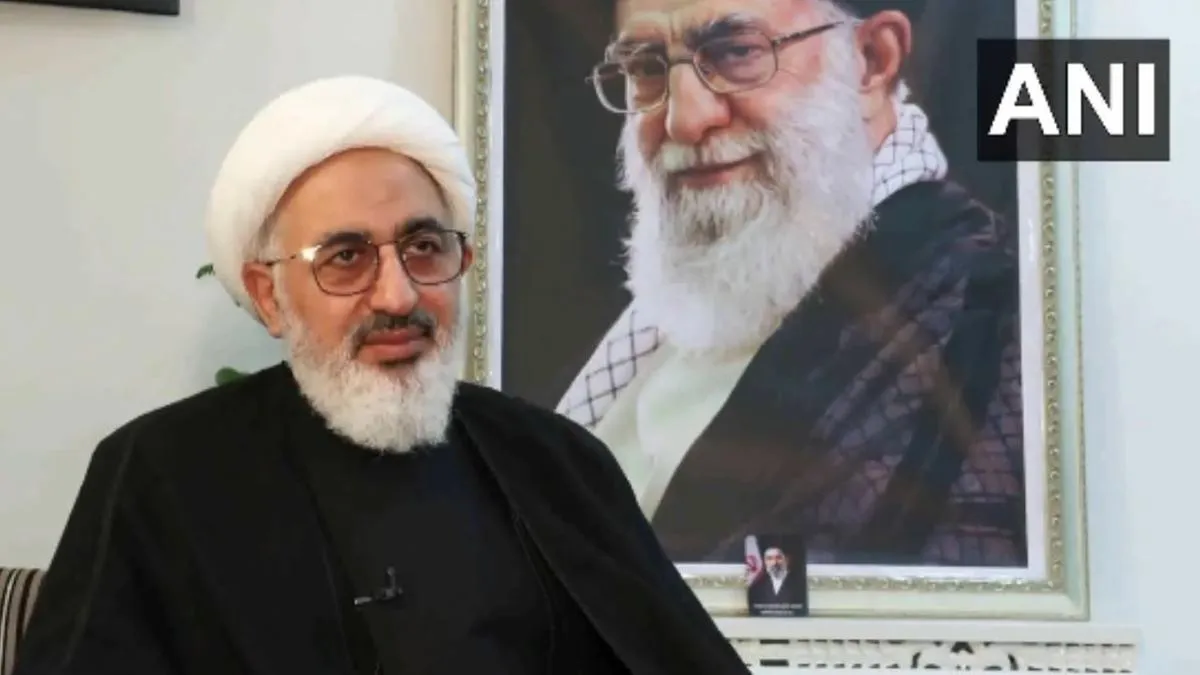
The conflict erupted on February 28, 2026, following the assassination of Iran’s Supreme Leader, Ali Khamenei. This pivotal moment was part of a broader strategy aimed at destabilizing the Iranian regime’s command structure. In the wake of this event, Mojtaba Khamenei ascended to the role of Supreme Leader, marking a significant shift in Iran’s leadership and strategy.
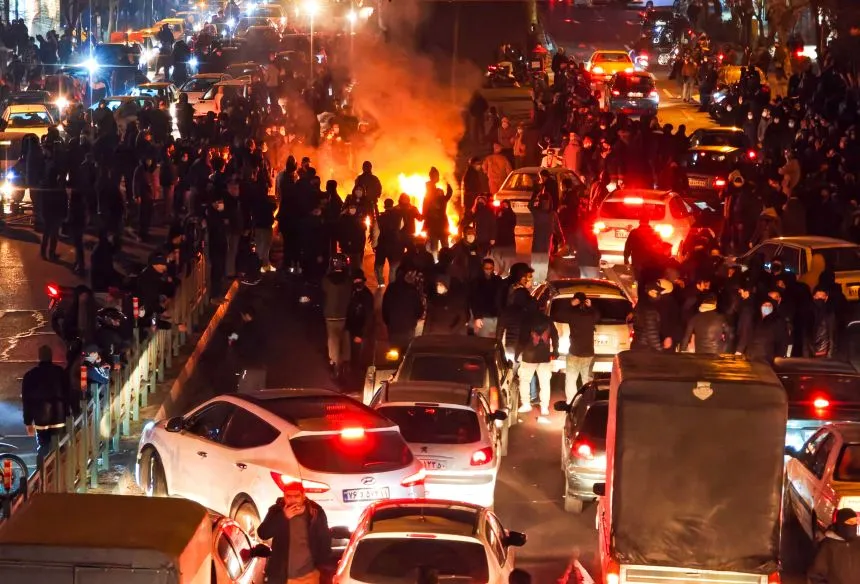
In the days following the assassination, Iran retaliated with ballistic missile and drone strikes targeting Israeli cities and U.S. military bases in the Gulf. The strikes were not merely acts of aggression but a demonstration of Iran’s capability to impose costs on its adversaries, despite the overwhelming military superiority of the U.S. and Israel. The conflict has also catalyzed unprecedented operational coordination between Gulf monarchies, the U.S., and Israel, further complicating the regional dynamics.
As the war rages on, oil prices have surged past $120 per barrel, reflecting the heightened tensions and the strategic importance of the Strait of Hormuz, which carries about 25 percent of the world’s oil. This chokepoint has become a focal point of contention, with Iran demanding reparations and sovereignty guarantees over it in any negotiations with the U.S.
Despite Trump’s assertion of Iran’s eagerness to negotiate, Iranian officials, including Mohammad Bagher Qalibaf, have firmly stated, “No negotiations have been held with the United States.” This stark contrast in narratives highlights the complexities of diplomacy amid warfare. Iran’s nuclear capabilities, including a stockpile of 200 kilograms of 60 percent enriched uranium-235, add another layer of urgency to the situation, as the U.S. seeks to prevent further escalation.
Israeli Prime Minister Benjamin Netanyahu has made it clear that his country will continue its military operations, asserting, “We will continue to strike Iran and safeguard our vital interests under all circumstances.” This commitment to military action underscores the potential for a protracted war of attrition, with neither side willing to back down.
What observers say
As the conflict enters its fourth week, uncertainties loom large. It remains unclear whether Tehran is willing to engage in negotiations or if Israel would agree to a ceasefire. The effectiveness of the U.S. military strategy in achieving its goals is also in question, as the long-term implications of the conflict on regional stability continue to unfold. Details remain unconfirmed, leaving many to wonder how this war will reshape the future of West Asia.